Long Island, NY Hail Storm – May 2026
May 20, 2026 hail storm near Long Island, NY. Radar-confirmed hail track and contractor lead lists available.
Max Hail
0.83"1" est.
confirmed
Zones
2
NWS alerts
Radar
3
dual-pol hits
Spotter
–
field reports
NWS WARNING AREA · Long Island Metro · May 20, 2026
Intelligence Platform
StormSnipe Pro
$49/ mo
Cancel anytime · No contracts
›All 50 states
›No zone limits
›No per-event fees
Subscribe to Pro
Billed monthly · Cancel anytime
What's included
Instant delivery
Every storm published within hours of NOAA confirmation.
Interactive Strike Map
Full radar-confirmed hail track on an interactive map.
Address CSV export
Every affected residential address, export-ready.
Smart alerts
Notified when a storm hits your area. Set zones once.
Nationwide coverage
All 50 states. No zone restrictions. No geographic caps.
Live pipeline
NOAA NEXRAD processed and delivered 24/7.
NWS WARNING AREAS · 2
This storm generated 2 NWS alert zones. Pro access covers the complete storm track and all addresses across every zone.
ZONE 1NWS NYC103
Long Island, NY
Dual-Pol Radar
42,464 addresses in warning area
Alert issued Wed, May 20 · 8:32 PM UTC
0.83"
confirmed
1"
est. (NWS)
ZONE 2NWS CTC001
Fairfield, CT
NWS Warning
Alert issued Wed, May 20 · 9:25 PM UTC
1"
est. (NWS)
Long Island, NY saw a late-afternoon hail event on May 20, 2026, with peak measured hail of 0.83 inch. The storm prompted two NWS severe thunderstorm warnings and has concluded.
What Happened
NWS issued two warnings tied to the event. The first warning was issued at 4:32 PM EDT for 1-inch hail and was labeled NWS warning only. The second warning was issued at 5:25 PM EDT for 1-inch hail and was labeled NWS warning only. Radar analysis and post-storm measurements show maximum hail size of 0.83 inch across the aggregated zones on Long Island. The event moved through multiple suburban and coastal sectors in late afternoon and early evening before weakening and ending.
Damage Assessment
Hail up to 0.83 inch typically produces cosmetic damage to painted metal and can dent vehicle panels. On Long Island properties, expect denting to unprotected cars, puncturing or ripping of fabric patio furniture, and chipping or cracking of thin plastic landscaping features. Asphalt shingles may show localized bruising or granule loss where hail struck at high speed, especially on exposed roof slopes. Glass breakage is uncommon at this size but can occur for older skylights or polycarbonate panels with preexisting wear.
Inspect roadside vehicles and outdoor equipment in affected neighborhoods first. Note locations where hail accumulated or where pooling water carried shards of damaged material into gutters. Tie observed damage to the May 20, 2026 time window and to the NWS warning times when documenting for claims.
What Contractors Should Know
Prioritize a rapid exterior survey. Photograph vehicle dents, siding marks, and shingle bruising with a visible scale and timestamp. Record the address, orientation of the roof slope, and any nearby trees or structures that could affect impact angles. Secure loose tarps and replace damaged flashing or soft metal trim on the same visit if safety protocols allow.
For roofing crews, avoid walking wet slopes unless team members are trained and equipped for ladder and roof safety. Use a conservative approach when estimating shingle replacement versus repair; note granule loss and point-impact dents separately in estimates. Provide customers with clear photo documentation tied to the May 20, 2026 event and the two NWS warning times to support insurance inquiries.
Access the Strike Map for precise radar-derived hail track data and to pinpoint where the 0.83-inch hail swath intersected specific neighborhoods on Long Island.
Storm Details
- Start Date
- Wednesday, May 20, 2026
- Last Activity
- Wednesday, May 20, 2026
- Location
- Long Island, NY
- Warning Areas
- 2
- Dual-Pol Radar
- 3
- Spotter Reports
- --
Preview Strike Map
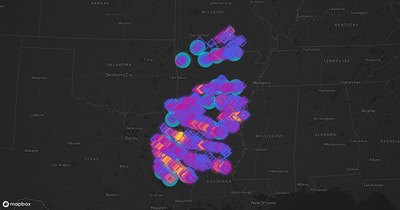
See exactly what you get.
Explore the full Springdale, AR Strike Map free – hail track, address overlay, and CSV download. No account required.
Try the Free Demo →