Model, CO Hail Storm – May 2026
May 20, 2026 hail storm near Model, CO. Radar-confirmed hail track and contractor lead lists available.
Max Hail
1.2"1" est.
confirmed
Zones
1
NWS alerts
Radar
2,515
dual-pol hits
Spotter
–
field reports
NWS WARNING AREA · Model Metro · May 21, 2026
Intelligence Platform
StormSnipe Pro
$49/ mo
Cancel anytime · No contracts
›All 50 states
›No zone limits
›No per-event fees
Subscribe to Pro
Pro renews monthly until canceled · Cancel anytime in the billing portal
What's included
Instant delivery
Every storm published within hours of NOAA confirmation.
Interactive Strike Map
Full radar-confirmed hail track on an interactive map.
Address CSV export
Every affected residential address, export-ready.
Smart alerts
Notified when a storm hits your area. Set zones once.
Nationwide coverage
All 50 states. No zone restrictions. No geographic caps.
Live pipeline
NOAA NEXRAD processed and delivered 24/7.
Address data notice
Pro coverage in California, Vermont, and Oregon includes the confirmed hail track and Strike Map only — no address lists. State data-privacy law treats compiled address lists differently in those three states, so we exclude their addresses from extraction and delivery.
NWS WARNING AREA
NWS COC071
Model, CO
Dual-Pol Radar
114 addresses in warning area
Alert issued Thu, May 21 · 1:05 AM UTC
1.2"
confirmed
1"
est. (NWS)
Model, CO saw a hail-producing thunderstorm on May 20, 2026, producing stones up to 0.83 inches in diameter. The event was short-lived and concluded the same evening.
What Happened
A single-zone storm moved through Model, CO (metro: model-co) in the early evening of May 20, 2026. The National Weather Service issued one hail warning at 7:05 PM MDT citing dual-polarization radar indications of up to 1 inch hail. Radar-detected hail signatures traced a compact track across the town. StormSnipe mapped the radar-derived hail detections for this storm and measured peak stone size at 0.83 inches. The warning and radar activity ended within a few tens of minutes and the event is classified as concluded.
Damage Assessment
Stones under one inch generally produce limited structural damage. For this event in Model, CO, expected impacts are surface-level only. Vehicle paint chips and minor dents to exposed soft metals are possible. Asphalt shingle roofs are unlikely to suffer through-and-through failure at 0.83 inches, but bruising and granule loss can occur on older or marginal shingles. Skylights, solar panels, and thin vinyl siding are at higher risk of cosmetic damage. Landscaping impacts will be limited to bruising of tender foliage and small fruit.
Field reports have not indicated widespread catastrophic loss within the single-zone area. Any localized damage reports should be inspected in place and documented with photographs and measurements tied to location.
What Contractors Should Know
Prioritize visual inspections of roofing, HVAC condenser coils, gutters, and vehicle fleets in the affected part of Model. Look for shingle bruising, granule loss, displaced flashing, and dents in exposed metalwork. On downspouts and gutters check for deformation that can impede drainage. For solar equipment and skylights inspect for hairline cracks and pitted glazing; replace or isolate damaged panels for safety.
Document all findings with dated photos and a ruler or coin for scale. Note the exact address, side of structure, and time observed. Focus initial resources along the radar-detected hail track and on properties with older roofing or preexisting damage. Paid users can view the Strike Map for a precise hail track and damage zone mapping.
Storm Details
- Start Date
- Wednesday, May 20, 2026
- Last Activity
- Wednesday, May 20, 2026
- Location
- Model, CO
- Warning Areas
- 1
- Dual-Pol Radar
- 2,515
- Spotter Reports
- --
Preview Strike Map
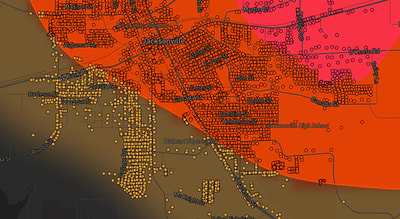
See exactly what you get.
Explore the full Springdale, AR Strike Map free – hail track, address overlay, and CSV download. No account required.
Try the Free Demo →