ACTIVE STORM
Monitoring live · Last activity 4h ago
Mission, TX Hail Storm – May 2026
May 21, 2026 hail storm near Mission, TX. Radar-confirmed hail track and contractor lead lists available.
Max Hail
1.45"0.75" est.
confirmed
Zones
1
NWS alerts
Radar
142
dual-pol hits
Spotter
–
field reports
NWS WARNING AREA · Mission Metro · May 21, 2026
Intelligence Platform
StormSnipe Pro
$49/ mo
Cancel anytime · No contracts
›All 50 states
›No zone limits
›No per-event fees
Subscribe to Pro
Billed monthly · Cancel anytime
What's included
Instant delivery
Every storm published within hours of NOAA confirmation.
Interactive Strike Map
Full radar-confirmed hail track on an interactive map.
Address CSV export
Every affected residential address, export-ready.
Smart alerts
Notified when a storm hits your area. Set zones once.
Nationwide coverage
All 50 states. No zone restrictions. No geographic caps.
Live pipeline
NOAA NEXRAD processed and delivered 24/7.
NWS WARNING AREA
NWS TXC215
Mission, TX
Dual-Pol Radar
Alert issued Thu, May 21 · 8:42 AM UTC
1.45"
confirmed
0.75"
est. (NWS)
Mission, TX is experiencing a developing hailstorm on May 21, 2026, producing a peak hail size of 1.45 inches and continuing convective activity that is tracking through the city.
What Happened
A severe thunderstorm moved into the Mission area early on May 21 and is still active. The National Weather Service issued a severe thunderstorm warning at 3:42 AM CDT for 0.75-inch hail; that alert is recorded as NWS warning only. Radar continues to detect strong reflectivity cores and dual-polarization signatures consistent with hail-producing convection as the cell tracks east-southeast through the municipal area. This single-zone report covers the Mission municipal boundary and adjacent corridors where storm returns remain intense. Conditions may still be developing and additional warnings or updates from the NWS are possible.
Damage Assessment
Hail up to 1.45 inches in diameter poses a risk to common property types in Mission. Exposed vehicle surfaces are likely to sustain denting to body panels and potential damage to glass on sunroofs. Asphalt shingle roofs without recent replacement or that show pre-existing granular loss are at elevated risk for bruising and accelerated wear where direct impacts occur. Vulnerable equipment such as rooftop HVAC units, window AC condensers, and unshielded skylights or solar panels can incur impact damage that reduces operational life.
Observed and potential impacts are concentrated along the storm’s current track through Mission. Field inspections should prioritize photographic documentation of vehicles, roof coverings, and outdoor mechanicals. Record the local time of observation and the location within Mission for each photographed asset.
What Contractors Should Know
Safety first. Work only after storms and lightning have ceased and after local officials clear the area. For roof inspections, use binoculars for an initial assessment when possible. If walking roofs is necessary, use fall protection, soft-soled shoes, and limit time on steep or wet surfaces. Inspect for granule loss, split or bruised shingles, damaged flashing, and holes in membrane systems. Tag and photograph all findings with timestamps and GPS coordinates when available.
Scheduling and client communication should be direct and dated. Offer temporary tarps for open roof penetrations and document tarp installation with photos and time stamps. Provide written estimates that separate emergency temporary work from permanent repairs. Coordinate with policyholders on adjuster access and avoid permanent repairs until adjuster confirmation where insurance is involved. Prioritize critical facilities and repeat-loss properties for immediate attention.
For precise radar-derived hail track data and paid detailed mapping of where hail struck within Mission, see the Strike Map for this event.
Developing Story
Coverage updates as radar and spotter data comes in. Last updated 56m ago.
Storm Details
- Start Date
- Thursday, May 21, 2026
- Last Activity
- Thursday, May 21, 2026
- Location
- Mission, TX
- Warning Areas
- 1
- Dual-Pol Radar
- 142
- Spotter Reports
- --
Preview Strike Map
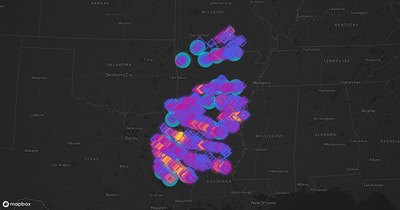
See exactly what you get.
Explore the full Springdale, AR Strike Map free – hail track, address overlay, and CSV download. No account required.
Try the Free Demo →