Pacific Junction, IA Hail Storm – May 2026
May 22, 2026 hail storm near Pacific Junction, IA. Radar-confirmed hail track and contractor lead lists available.
Max Hail
0.33"0.75" est.
confirmed
Zones
1
NWS alerts
Radar
2
dual-pol hits
Spotter
–
field reports
NWS WARNING AREA · Pacific Junction Metro · May 22, 2026
Intelligence Platform
StormSnipe Pro
$49/ mo
Cancel anytime · No contracts
›All 50 states
›No zone limits
›No per-event fees
Subscribe to Pro
Billed monthly · Cancel anytime
What's included
Instant delivery
Every storm published within hours of NOAA confirmation.
Interactive Strike Map
Full radar-confirmed hail track on an interactive map.
Address CSV export
Every affected residential address, export-ready.
Smart alerts
Notified when a storm hits your area. Set zones once.
Nationwide coverage
All 50 states. No zone restrictions. No geographic caps.
Live pipeline
NOAA NEXRAD processed and delivered 24/7.
NWS WARNING AREA
NWS IAC129
Pacific Junction, IA
Dual-Pol Radar
23 addresses in warning area
Alert issued Fri, May 22 · 10:47 PM UTC
0.33"
confirmed
0.75"
est. (NWS)
Pacific Junction, IA recorded pea-sized hail in the late afternoon on May 22, 2026. The event produced a short-lived thunderstorm that prompted a single NWS warning.
What Happened
A severe thunderstorm warning was issued for Pacific Junction at 5:47 PM CDT on May 22, 2026. The NWS warning cited the potential for quarter-inch to three-quarter-inch hail. Radar indicated hail echo signatures moving northeast across the municipal area during the late afternoon. The warning was labeled NWS warning only. The episode ran for under an hour and concluded the same evening.
Storm motion was generally northeast at a moderate forward speed. The system delivered a compact hail swath concentrated over the town and immediate outskirts. No additional NWS alerts were issued for this cell after the 5:47 PM warning.
Damage Assessment
Hail in this size class is pea-sized and typically causes cosmetic abrasion rather than structural failure. Expect superficial scuffs to soft vinyl surfaces and minor pitting on vehicle paint where impacts were direct. Roof shingles are unlikely to suffer loss of weatherproofing from single, small-diameter impacts, but prolonged exposure across many shingles can increase wear on aged roofing materials.
Glass and skylights generally remain intact at this intensity, though lightweight patio furniture and garden plants may show leaf scarring and surface bruising. Inspectors should prioritize photographic documentation of any localized dents on metal surfaces and surface abrasion on siding when compiling estimates.
What Contractors Should Know
Prioritize quick external assessments. Start with roofing, vehicles, and exposed siding in the areas directly beneath the storm track. Record clear, dated photos with orientation and reference points. Note soft-surface abrasion, isolated dents, and any displaced trim. For roofing, focus on granule loss and shingle edges. Small hail rarely requires full shingle replacement, but document locations where repeated abrasion or pre-existing wear may warrant repairs.
Provide homeowners with conservative, itemized estimates. Include inspection notes for gutters, skylights, and exterior trim. Offer temporary measures where water entry is possible, and schedule follow-up inspections for marginal cases. Maintain clear scope descriptions so cosmetic repairs are separated from structural work. Verify access and homeowner authorization before beginning any on-site mitigation.
The Strike Map provides precise hail track and damage zone coordinates for this event.
Storm Details
- Start Date
- Friday, May 22, 2026
- Last Activity
- Friday, May 22, 2026
- Location
- Pacific Junction, IA
- Warning Areas
- 1
- Dual-Pol Radar
- 2
- Spotter Reports
- --
Preview Strike Map
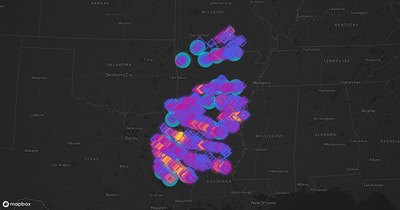
See exactly what you get.
Explore the full Springdale, AR Strike Map free – hail track, address overlay, and CSV download. No account required.
Try the Free Demo →