Mosquero, NM Hail Storm – May 2026
May 22, 2026 hail storm near Mosquero, NM. Radar-confirmed hail track and contractor lead lists available.
Max Hail
1.6"1.02" est.
confirmed
Zones
1
NWS alerts
Radar
3,872
dual-pol hits
Spotter
–
field reports
NWS WARNING AREA · Mosquero Metro · May 22, 2026
Intelligence Platform
StormSnipe Pro
$49/ mo
Cancel anytime · No contracts
›All 50 states
›No zone limits
›No per-event fees
Subscribe to Pro
Billed monthly · Cancel anytime
What's included
Instant delivery
Every storm published within hours of NOAA confirmation.
Interactive Strike Map
Full radar-confirmed hail track on an interactive map.
Address CSV export
Every affected residential address, export-ready.
Smart alerts
Notified when a storm hits your area. Set zones once.
Nationwide coverage
All 50 states. No zone restrictions. No geographic caps.
Live pipeline
NOAA NEXRAD processed and delivered 24/7.
NWS WARNING AREA
NWS NMC021
Mosquero, NM
Dual-Pol Radar
231 addresses in warning area
Alert issued Fri, May 22 · 11:29 PM UTC
1.6"
confirmed
1.02"
est. (NWS)
Mosquero, New Mexico recorded hail during the late afternoon of May 22, 2026, producing a maximum confirmed hailstone of 1.26 inches in diameter. The event was a single-zone, concluded thunderstorm that produced radar-detected hail along a focused track through the local area.
What Happened
The cell moved through the Mosquero metro area in the late afternoon on May 22. The National Weather Service issued one severe thunderstorm alert at 5:29 PM MDT indicating hail detections centered on the Mosquero area. Dual-polarization NEXRAD returned radar-derived hail signatures consistent with stones just over one inch in diameter during the alert period. Storm status is concluded. Surface observations or spotter reports tied to this event are limited in the public record; primary evidence for peak hail size derives from radar hail detection and post-event aggregation.
Damage Assessment
Hailstones above one inch typically produce denting to vehicle body panels, impact marks on composite roofing shingles, and abrasion on unprotected siding and outdoor equipment. For Mosquero properties, expect impact scuffs and dent patterns on vehicles exposed during the late-afternoon passage. Asphalt shingle roofs of average age can sustain bruising and loss of granules where stones struck with full kinetic force. Skylights, window screens, and unsecured HVAC condenser units are also at elevated risk for cosmetic damage.
No widespread structural collapse or confirmed catastrophic failures are expected from stones in this size range, but localized repair needs are common. Property owners inspecting the area should document vehicle dents, shingle granule loss, cracked glazing, and displaced exterior fixtures with dated photographs. Record locations and extent of observable impacts for insurance and contractor assessment.
What Contractors Should Know
Prioritize visual roof inspections on affected addresses in Mosquero as soon as access and safety allow. Look for missing granules, fractured shingle tabs, and concentrated impact patterns that indicate repeated strikes along the storm track. Check fascia, gutters, and exposed HVAC condensers for dents and bent metal. For vehicle fleet managers, create an inventory of dented panels and broken glass; minor panel dents can often be addressed with paintless dent repair while glazing and frame damage require immediate replacement.
Document all findings with geo-tagged photos and time-stamped notes. Prepare for increased demand for shingle replacements and minor siding repairs within the hail track corridor. Coordinate temporary protections for exposed equipment and provide clear estimates that separate cosmetic repairs from structural needs. Communicate expected turn-around times and parts lead times to property owners to set clear expectations.
For precise radar-derived hail track and paid damage zone mapping for Mosquero, consult the Strike Map.
Storm Details
- Start Date
- Friday, May 22, 2026
- Last Activity
- Friday, May 22, 2026
- Location
- Mosquero, NM
- Warning Areas
- 1
- Dual-Pol Radar
- 3,872
- Spotter Reports
- --
Preview Strike Map
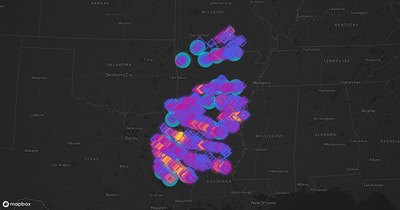
See exactly what you get.
Explore the full Springdale, AR Strike Map free – hail track, address overlay, and CSV download. No account required.
Try the Free Demo →