Hearne, TX Hail Storm – May 2026
May 23, 2026 hail storm near Hearne, TX. Radar-confirmed hail track and contractor lead lists available.
Max Hail
1.44"1.44" est.
confirmed
Zones
1
NWS alerts
Radar
11
dual-pol hits
Spotter
–
field reports
NWS WARNING AREA · Hearne Metro · May 23, 2026
Intelligence Platform
StormSnipe Pro
$49/ mo
Cancel anytime · No contracts
›All 50 states
›No zone limits
›No per-event fees
Subscribe to Pro
Billed monthly · Cancel anytime
What's included
Instant delivery
Every storm published within hours of NOAA confirmation.
Interactive Strike Map
Full radar-confirmed hail track on an interactive map.
Address CSV export
Every affected residential address, export-ready.
Smart alerts
Notified when a storm hits your area. Set zones once.
Nationwide coverage
All 50 states. No zone restrictions. No geographic caps.
Live pipeline
NOAA NEXRAD processed and delivered 24/7.
NWS WARNING AREA
NWS TXC331
Hearne, TX
Dual-Pol Radar
270 addresses in warning area
Alert issued Sat, May 23 · 9:03 AM UTC
1.44"
confirmed
1.44"
est. (NWS)
Hearne, TX experienced radar-detected hail early morning on May 23, 2026, reaching a peak of 1.44 inches in diameter during a brief convective pulse. The event concluded after a short-lived heavy shower that produced localized hail cores across the city.
What Happened
The primary alert for this event began at 4:03 AM CDT on May 23. The National Weather Service issued a severe thunderstorm alert covering the Hearne warning area at that time. Dual-polarization NEXRAD hail detection flagged a maximum hail signature consistent with 1.44-inch stones within the warning area. The radar-derived hail indication was concentrated along a narrow corridor through the central city and adjacent outskirts. The storm was brief and concluded within hours of the initial alert. No additional NWS alerts were issued for the same cell after the early-morning warning.
Damage Assessment
Hail of this size in the Hearne area is consistent with vehicle denting, bruising of vinyl and aluminum siding, and accelerated wear to composite shingle granules where impacts were dense. Localized tree twig and leaf damage is likely in areas of concentrated hail fall. Roof punctures are uncommon at this size on intact architectural shingles but can occur on older, weathered, or thin roofing materials. Skylights, roof vents, soffits and screen enclosures are the components most at risk for visible impact damage within the identified hail corridor.
Insurance adjusters commonly find impact bruising to paint and minor panel deformation on unprotected vehicles exposed in the hail path. Metal roofing panels with thin gauge or poor fastening may show dents and cosmetic damage. Gutters and downspouts directly beneath hail swaths can exhibit crushed sections or displaced hangers where hail accumulated and slid off roof planes.
What Contractors Should Know
Begin exterior inspections with photographic documentation of the access route, roof planes, and vehicle exposures. Prioritize roofs with known age greater than 10 years and properties reporting leaks. Use a 360-degree scaffold or drone survey where safe access is limited. Record shingle granule loss at eaves and in gutters and capture close-up photos of any dented metal flashings, vents, or HVAC casings. Note: tie visible damage to the May 23, 2026 early-morning hail event in all estimates and reports.
For temporary repairs, install tarps only where active leaks or exposed decking are present. Secure tarps to avoid wind uplift and document fastener locations. For claims estimates, separate cosmetic metal panel damage from structural compromises and list recommended replacement materials and lead times. Schedule follow-up inspections within 7 to 14 days to confirm no delayed leakage or secondary water intrusion. Contractor teams should coordinate with property owners on preferred documentation for insurers and retain radar-derived hail track details for claim substantiation.
Storm Details
- Start Date
- Saturday, May 23, 2026
- Last Activity
- Saturday, May 23, 2026
- Location
- Hearne, TX
- Warning Areas
- 1
- Dual-Pol Radar
- 11
- Spotter Reports
- --
Preview Strike Map
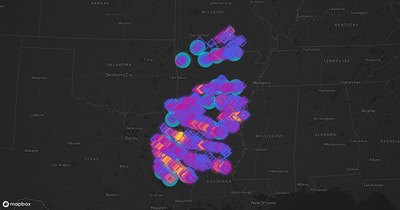
See exactly what you get.
Explore the full Springdale, AR Strike Map free – hail track, address overlay, and CSV download. No account required.
Try the Free Demo →