Las Vegas, NM Hail Storm – May 2026
May 27, 2026 hail storm near Las Vegas, NM. Radar-confirmed hail track and contractor lead lists available.
Max Hail
1.65"1.23" est.
confirmed
Zones
2
NWS alerts
Radar
1,577
dual-pol hits
Spotter
–
field reports
NWS WARNING AREA · Las Vegas Metro · May 28, 2026
Intelligence Platform
StormSnipe Pro
$49/ mo
Cancel anytime · No contracts
›All 50 states
›No zone limits
›No per-event fees
Subscribe to Pro
Pro renews monthly until canceled · Cancel anytime in the billing portal
What's included
Instant delivery
Every storm published within hours of NOAA confirmation.
Interactive Strike Map
Full radar-confirmed hail track on an interactive map.
Address CSV export
Every affected residential address, export-ready.
Smart alerts
Notified when a storm hits your area. Set zones once.
Nationwide coverage
All 50 states. No zone restrictions. No geographic caps.
Live pipeline
NOAA NEXRAD processed and delivered 24/7.
Address data notice
Pro coverage in California, Vermont, and Oregon includes the confirmed hail track and Strike Map only — no address lists. State data-privacy law treats compiled address lists differently in those three states, so we exclude their addresses from extraction and delivery.
NWS WARNING AREAS · 2
This storm generated 2 NWS alert zones. Pro access covers the complete storm track and all addresses across every zone.
ZONE 1NWS NMC047
Las Vegas, NM
Dual-Pol Radar
28 addresses in warning area
Alert issued Thu, May 28 · 2:41 AM UTC
1.75"
confirmed
1"
est. (NWS)
ZONE 2NWS NMC033
Watrous, NM
Dual-Pol Radar
53,578 addresses in warning area
Alert issued Thu, May 28 · 2:43 AM UTC
1.5"
confirmed
1.23"
est. (NWS)
Las Vegas, NM saw radar-detected hail in the early evening of May 27, 2026, with a maximum confirmed stone of 1.65 inches. The storm moved through the metro and produced multiple NWS hail alerts before concluding.
What Happened
The event produced two NWS hail alerts for the Las Vegas, NM area during the early evening of May 27, 2026. At 8:41 PM MDT (02:41 UTC) the first alert reported 1.00-inch hail based on dual-polarization NEXRAD hail detection. Two minutes later, at 8:43 PM MDT (02:43 UTC), a second radar-derived alert indicated 1.23-inch hail. Post-event verification recorded a maximum hail size of 1.65 inches within the metro-area aggregate for this multi-zone report. The storm concluded later the same evening. Radar returns showed concentrated hail echoes over central portions of the Las Vegas metro. The NWS warnings covered the broader warning area issued for the storm trajectory.
Damage Assessment
Stones up to 1.65 inches present a higher probability of roofing and vehicle damage in Las Vegas, NM. Typical damage observations at this size include denting to unprotected vehicle panels and chips to automotive glass. Asphalt shingle roofs installed more than 10 years ago are at increased risk of granule loss and localized shingle fracture. Modern architectural shingles can sustain bruising and partial loss of protective granules, which can accelerate wear and lead to future leaks. Vinyl siding can show splitting or surface pitting where impacts are concentrated. Skylights, solar panels, and exposed mechanical equipment have an elevated risk of damage when struck by hail this size.
Inspect for impact patterns that align with the reported storm timing. Pay attention to windward roof slopes and low points where hail accumulates. Document granular loss with close-up photos and include a measurable scale. Record vehicle damage with overall shots and detail shots of dents and glass chips. Note the time of inspection and any visible weathering that predates the event.
What Contractors Should Know
Begin with a safety-first site assessment. Confirm local conditions and watch for downed power lines or unstable debris before accessing roofs. Prioritize temporary protection for active leaks and compromised building envelopes. Use tarps secured at multiple anchor points and avoid walking on brittle or heavily damaged shingles. Check HVAC units, exterior meters, solar arrays, and satellite dishes for impact damage. For vehicles, suggest offsite storage or covered parking to prevent further exposure while claims are processed.
For estimates, quantify both visible and latent damage. Measure affected roof areas, list shingle types and ages, and document granule loss and fracture patterns. Provide contractors and property owners with time-stamped photos and a site map showing observed impact locations. Coordinate with insurers and advise clients to preserve damaged materials until claims inspections occur. For precise hail track and the detailed damage zone for this event, see the Strike Map.
Storm Details
- Start Date
- Wednesday, May 27, 2026
- Last Activity
- Wednesday, May 27, 2026
- Location
- Las Vegas, NM
- Warning Areas
- 2
- Dual-Pol Radar
- 1,577
- Spotter Reports
- --
Preview Strike Map
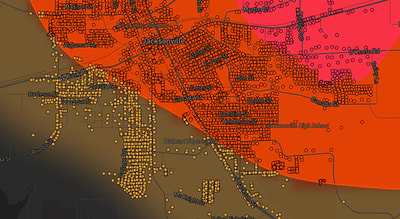
See exactly what you get.
Explore the full Springdale, AR Strike Map free – hail track, address overlay, and CSV download. No account required.
Try the Free Demo →