Marathon, TX Hail Storm – May 2026
May 31, 2026 hail storm near Marathon, TX. Radar-confirmed hail track and contractor lead lists available.
Max Hail
2.49"2.21" est.
confirmed
Zones
3
NWS alerts
Radar
2,582
dual-pol hits
Spotter
–
field reports
NWS WARNING AREA · Marathon Metro · May 31, 2026
Intelligence Platform
StormSnipe Pro
$49/ mo
Cancel anytime · No contracts
›All 50 states
›No zone limits
›No per-event fees
Subscribe to Pro
Pro renews monthly until canceled · Cancel anytime in the billing portal
What's included
Instant delivery
Every storm published within hours of NOAA confirmation.
Interactive Strike Map
Full radar-confirmed hail track on an interactive map.
Address CSV export
Every affected residential address, export-ready.
Smart alerts
Notified when a storm hits your area. Set zones once.
Nationwide coverage
All 50 states. No zone restrictions. No geographic caps.
Live pipeline
NOAA NEXRAD processed and delivered 24/7.
Address data notice
Pro coverage in California, Vermont, and Oregon includes the confirmed hail track and Strike Map only — no address lists. State data-privacy law treats compiled address lists differently in those three states, so we exclude their addresses from extraction and delivery.
NWS WARNING AREAS · 3
This storm generated 3 NWS alert zones. Pro access covers the complete storm track and all addresses across every zone.
ZONE 1NWS TXC043
Marathon, TX
Dual-Pol Radar
88 addresses in warning area
Alert issued Sun, May 31 · 9:40 PM UTC
2.21"
confirmed
2.21"
est. (NWS)
ZONE 2NWS TXC371
Fort Stockton, TX
Dual-Pol Radar
1,789 addresses in warning area
Alert issued Sun, May 31 · 9:46 PM UTC
3"
confirmed
2.2"
est. (NWS)
ZONE 3NWS TXC043
Marathon, TX
Dual-Pol Radar
3 addresses in warning area
Alert issued Sun, May 31 · 10:21 PM UTC
2.21"
confirmed
2.21"
est. (NWS)
A multi-zone thunderstorm produced up to 2.49-inch hail in Marathon, TX on May 31, 2026. The event occurred in the late afternoon and has concluded.
What Happened
NWS issued three warning updates for the Marathon area during late afternoon. At 4:40 PM CDT the first warning noted radar-detected hail near 2.21 inches. A follow-up at 4:46 PM CDT reported radar-detected hail near 2.20 inches. A third warning at 5:21 PM CDT again cited radar-detected hail near 2.21 inches. Dual-polarization NEXRAD hail detection tracked elevated reflectivity consistent with large stones across a multi-zone swath through the Marathon metro area. Storm motion carried the strongest reflectivity east-southeast across local roadways and sparsely populated tracts in and around Marathon.
Damage Assessment
Hail this size can cause immediate, visible damage to exposed property in the Marathon area. Rooftop impact commonly breaks or fractures asphalt shingles and can split older or brittle roof coverings. Metal roofing and HVAC condenser coils frequently show punctures and dents after encounters with large stones. Vehicle body panels, paint, and glass are at high risk of denting and shattering when directly struck. Residential glass features such as skylights and patio furniture can sustain concentrated damage where stones fell at roofline or yard level. Vegetation impacts include defoliation and bruising of soft fruits over localized patches. Recorded radar-derived hail points and the timing of warnings indicate the greatest damage potential occurred along the storm’s east-southeast track in Marathon.
What Contractors Should Know
Inspect roofs immediately for shingle loss, fractured laminate, and punctures. Prioritize structures with south- and east-facing exposures along the storm path. Photograph every damaged area with a scale reference and time-stamp. Record roof slope, material type, and visible underlayment exposure. For vehicles, document hail dents on body panels and glass from multiple angles. Keep full-frame and close detail shots to support insurance submissions.
Establish temporary protection where interiors are exposed. Use industry-standard tarping techniques and secure fasteners to prevent water intrusion. Coordinate with licensed roof evaluators for lift-and-replace decisions on laminated and architectural shingles. Log all labor hours, materials, and site visits. Retain a copy of the NWS warning times and radar-derived hail points for the claim file.
For precise, radar-derived hail track data and the paid damage zone product, see the Strike Map for this event.
Storm Details
- Start Date
- Sunday, May 31, 2026
- Last Activity
- Sunday, May 31, 2026
- Location
- Marathon, TX
- Warning Areas
- 3
- Dual-Pol Radar
- 2,582
- Spotter Reports
- --
Preview Strike Map
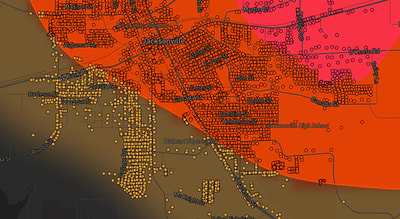
See exactly what you get.
Explore the full Springdale, AR Strike Map free – hail track, address overlay, and CSV download. No account required.
Try the Free Demo →