Fort Davis, TX Hail Storm – June 2026
June 1, 2026 hail storm near Fort Davis, TX. Radar-confirmed hail track and contractor lead lists available.
Max Hail
2.75"1.69" est.
confirmed
Zones
4
NWS alerts
Radar
2,619
dual-pol hits
Spotter
–
field reports
NWS WARNING AREA · Fort Davis Metro · Jun 1, 2026
Intelligence Platform
StormSnipe Pro
$49/ mo
Cancel anytime · No contracts
›All 50 states
›No zone limits
›No per-event fees
Subscribe to Pro
Pro renews monthly until canceled · Cancel anytime in the billing portal
What's included
Instant delivery
Every storm published within hours of NOAA confirmation.
Interactive Strike Map
Full radar-confirmed hail track on an interactive map.
Address CSV export
Every affected residential address, export-ready.
Smart alerts
Notified when a storm hits your area. Set zones once.
Nationwide coverage
All 50 states. No zone restrictions. No geographic caps.
Live pipeline
NOAA NEXRAD processed and delivered 24/7.
Address data notice
Pro coverage in California, Vermont, and Oregon includes the confirmed hail track and Strike Map only — no address lists. State data-privacy law treats compiled address lists differently in those three states, so we exclude their addresses from extraction and delivery.
NWS WARNING AREAS · 4
This storm generated 4 NWS alert zones. Pro access covers the complete storm track and all addresses across every zone.
ZONE 1NWS TXC243
Fort Davis, TX
Dual-Pol Radar
22 addresses in warning area
Alert issued Mon, Jun 1 · 8:10 PM UTC
2.75"
confirmed
1.43"
est. (NWS)
ZONE 2NWS TXC243
Fort Davis, TX
Dual-Pol Radar
492 addresses in warning area
Alert issued Mon, Jun 1 · 8:40 PM UTC
1.83"
confirmed
1.69"
est. (NWS)
ZONE 3NWS TXC043
Alpine, TX
Dual-Pol Radar
3,401 addresses in warning area
Alert issued Mon, Jun 1 · 9:04 PM UTC
1.75"
confirmed
1.25"
est. (NWS)
ZONE 4NWS TXC043
Alpine, TX
Dual-Pol Radar
133 addresses in warning area
Alert issued Tue, Jun 2 · 12:19 AM UTC
2.16"
confirmed
1.53"
est. (NWS)
Fort Davis, Texas, experienced a concluded hail event on June 1, 2026, producing a peak hail stone of 2.41 inches and a multi-zone radar-detected hail swath.
What Happened
The storm developed in the late afternoon and produced multiple radar-derived hail indications across the Fort Davis metro area. NWS alerts were issued as the system moved through the region: 3:10 PM CDT — NEXRAD dual-polarization detected 1.43-inch hail signatures; 3:40 PM CDT — 1.69-inch signatures; 4:04 PM CDT — 1.25-inch signatures; and 7:19 PM CDT — 1.53-inch signatures. The alerts cover separate warning areas that together form a multi-zone aggregate report for the event. Radar returns showed compact hail cores repeatedly redeveloping as the cells propagated southeast. The event is concluded and no active warnings remain for Fort Davis.
Damage Assessment
Radar-detected hail sizes in this event included multiple detections above 1.25 inches. Hail of that scale commonly produces cosmetic and structural damage to exposed surfaces. Expect denting on vehicle panels and external equipment. Asphalt shingle roofs can show bruising, fractured granules, lifted tabs, and accelerated wear where stones struck repeatedly. Vinyl siding and exterior soft metals may show dents and cracking. Windows and skylights are at increased risk when impacts are concentrated or accompanied by strong winds. Landscape damage typically appears as broken branches and defoliation on vulnerable species.
Inspectors should prioritize visible impact points and record location-specific evidence. Photographs of vehicles, roof slopes, and HVAC units provide clear documentation of hail pattern and concentration. Note that radar-derived hail detections indicate where hail likely occurred, but ground inspection is required to verify material damage and compile repair scopes.
What Contractors Should Know
Begin with a focused exterior survey in the Fort Davis area. Check all roof slopes for granule loss, cracked or missing shingles, and areas with clustered impacts. Photograph each roof plane with scale reference and annotate photos with compass orientation. Inspect gutters, downspouts, HVAC casings, solar panels, and vehicles for dent patterns that align with the radar-detected swath. Prioritize secure temporary repairs where glazing or sealants are compromised.
Estimate replacement needs by combining field observations with measured impact density. Use ladder-access inspection and binocular checks to minimize missed damage on steep or high roofs. Document serial numbers and model data for outdoor mechanical equipment and record OEM service requirements when presenting bids. Provide homeowners and property managers with concise scopes that separate cosmetic repairs from systems-level failures.
See the Strike Map for a precise hail track and paid damage zone data.
Storm Details
- Start Date
- Monday, June 1, 2026
- Last Activity
- Monday, June 1, 2026
- Location
- Fort Davis, TX
- Warning Areas
- 4
- Dual-Pol Radar
- 2,619
- Spotter Reports
- --
Preview Strike Map
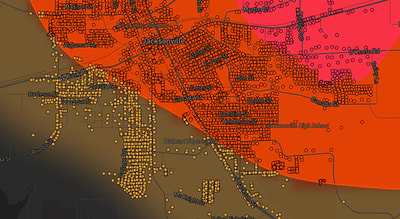
See exactly what you get.
Explore the full Springdale, AR Strike Map free – hail track, address overlay, and CSV download. No account required.
Try the Free Demo →