Fort Davis, TX Hail Storm – June 2026
June 2, 2026 hail storm near Fort Davis, TX. Radar-confirmed hail track and contractor lead lists available.
Max Hail
2.59"2.2" est.
confirmed
Zones
12
NWS alerts
Radar
5,707
dual-pol hits
Spotter
–
field reports
NWS WARNING AREA · Fort Davis Metro · Jun 2, 2026
Intelligence Platform
StormSnipe Pro
$49/ mo
Cancel anytime · No contracts
›All 50 states
›No zone limits
›No per-event fees
Subscribe to Pro
Pro renews monthly until canceled · Cancel anytime in the billing portal
What's included
Instant delivery
Every storm published within hours of NOAA confirmation.
Interactive Strike Map
Full radar-confirmed hail track on an interactive map.
Address CSV export
Every affected residential address, export-ready.
Smart alerts
Notified when a storm hits your area. Set zones once.
Nationwide coverage
All 50 states. No zone restrictions. No geographic caps.
Live pipeline
NOAA NEXRAD processed and delivered 24/7.
Address data notice
Pro coverage in California, Vermont, and Oregon includes the confirmed hail track and Strike Map only — no address lists. State data-privacy law treats compiled address lists differently in those three states, so we exclude their addresses from extraction and delivery.
NWS WARNING AREAS · 12
This storm generated 12 NWS alert zones. Pro access covers the complete storm track and all addresses across every zone.
ZONE 1NWS TXC243
Fort Davis, TX
Dual-Pol Radar
758 addresses in warning area
Alert issued Tue, Jun 2 · 8:27 PM UTC
2.09"
confirmed
1.49"
est. (NWS)
ZONE 2NWS TXC243
Valentine, TX
Dual-Pol Radar
151 addresses in warning area
Alert issued Tue, Jun 2 · 9:21 PM UTC
1.7"
confirmed
1.17"
est. (NWS)
ZONE 3NWS TXC109
Van Horn, TX
Dual-Pol Radar
1,686 addresses in warning area
Alert issued Tue, Jun 2 · 9:31 PM UTC
2"
confirmed
1"
est. (NWS)
ZONE 4NWS TXC229
Sierra Blanca, TX
Dual-Pol Radar
201 addresses in warning area
Alert issued Tue, Jun 2 · 9:52 PM UTC
2.25"
confirmed
1.1"
est. (NWS)
ZONE 5NWS TXC243
Valentine, TX
Dual-Pol Radar
21 addresses in warning area
Alert issued Tue, Jun 2 · 9:59 PM UTC
2.59"
confirmed
1.7"
est. (NWS)
ZONE 6NWS TXC243
Valentine, TX
Dual-Pol Radar
14 addresses in warning area
Alert issued Tue, Jun 2 · 10:08 PM UTC
1.85"
confirmed
2.2"
est. (NWS)
ZONE 7NWS TXC229
Sierra Blanca, TX
Dual-Pol Radar
124 addresses in warning area
Alert issued Tue, Jun 2 · 10:30 PM UTC
2.25"
confirmed
1.5"
est. (NWS)
ZONE 8NWS TXC229
Salt Flat, TX
Dual-Pol Radar
39 addresses in warning area
Alert issued Tue, Jun 2 · 11:11 PM UTC
2.25"
confirmed
1.25"
est. (NWS)
ZONE 9NWS TXC043
Terlingua, TX
Dual-Pol Radar
648 addresses in warning area
Alert issued Tue, Jun 2 · 11:35 PM UTC
1.8"
confirmed
1"
est. (NWS)
ZONE 10NWS TXC229
Salt Flat, TX
Dual-Pol Radar
85 addresses in warning area
Alert issued Tue, Jun 2 · 11:53 PM UTC
2"
confirmed
1.76"
est. (NWS)
ZONE 11NWS TXC377
Marfa, TX
Dual-Pol Radar
40 addresses in warning area
Alert issued Tue, Jun 2 · 11:53 PM UTC
2.45"
confirmed
1.33"
est. (NWS)
ZONE 12NWS TXC043
Marfa, TX
Dual-Pol Radar
25 addresses in warning area
Alert issued Wed, Jun 3 · 12:29 AM UTC
2.29"
confirmed
1.5"
est. (NWS)
Fort Davis, TX experienced a concluded hail event on June 2, 2026, producing a verified 2.59-inch hailstone and multiple radar-detected hail reports. The storm moved through late afternoon into early evening with repeated NWS hail alerts across the metro.
What Happened
The event began in the late afternoon and produced 12 NWS hail alerts between 3:27 PM CDT and 7:29 PM CDT. Alerts were generated from dual-polarization NEXRAD hail detections and reported radar-estimated sizes from about 1.0 inch up to 2.2 inches. Major radar peaks occurred in the late-afternoon period, including a 2.2-inch radar estimate at 5:08 PM CDT and a 1.76-inch radar estimate at 6:53 PM CDT. A 2.59-inch hailstone was verified in the Fort Davis area after the radar sequence.
The alert sequence: 3:27 PM CDT, 4:21 PM CDT, 4:31 PM CDT, 4:52 PM CDT, 4:59 PM CDT, 5:08 PM CDT, 5:30 PM CDT, 6:11 PM CDT, 6:35 PM CDT, two alerts at 6:53 PM CDT, and a final alert at 7:29 PM CDT. Each alert corresponded to radar-detected hail cores moving across the metro and nearby rural roads. The NWS issued warning-area polygons for the broader corridor traversed by the storm while radar detections defined the likely hail impacts along the path.
Damage Assessment
Hail at the sizes observed during this event commonly produces shingle granule loss and cracked or split asphalt shingles in residential roofs across Fort Davis. Expect denting and paint damage on unprotected vehicles and rooftop-mounted equipment. Skylights, gutters, and vinyl siding are at elevated risk in exposed locations.
Inspectors and property owners should prioritize parked vehicles, mobile homes, and any solar arrays or satellite dishes facing the storm track. Note and document any broken glass, punctured panels, or missing shingle tabs. Collect photographic evidence with a measurable scale and record the specific location and time of each observation for claims and repair planning.
What Contractors Should Know
Begin with a safety assessment. Confirm electrical hazards and unstable roofing before crews access any structure. Perform an exterior walkaround to map impact points and mark suspected penetration locations. Use drone imagery where steep roofs or large rural parcels limit safe foot access.
Document damage with consistent metrics. Photograph hail dents with a coin or ruler for scale. Record GPS coordinates and local street references for each damaged asset. Triage repairs by weatherproofing first – cover holes and exposed interiors – then compile itemized lists for roofing, siding, glass, and mechanical equipment. Coordinate with property owners on insurance inspections and maintain a time-stamped log of on-site actions.
Paid subscribers can access the Strike Map for precise hail track data and the mapped damage zone for this event.
Storm Details
- Start Date
- Tuesday, June 2, 2026
- Last Activity
- Tuesday, June 2, 2026
- Location
- Fort Davis, TX
- Warning Areas
- 12
- Dual-Pol Radar
- 5,707
- Spotter Reports
- --
Preview Strike Map
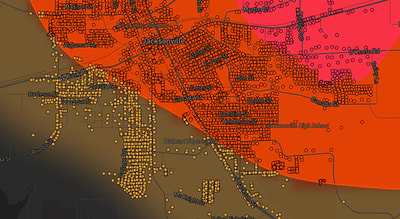
See exactly what you get.
Explore the full Springdale, AR Strike Map free – hail track, address overlay, and CSV download. No account required.
Try the Free Demo →