Wolsey, SD Hail Storm – June 2026
June 3, 2026 hail storm near Wolsey, SD. Radar-confirmed hail track and contractor lead lists available.
Max Hail
2.15"1.93" est.
confirmed
Zones
12
NWS alerts
Radar
1,760
dual-pol hits
Spotter
–
field reports
NWS WARNING AREA · Wolsey Metro · Jun 3, 2026
Intelligence Platform
StormSnipe Pro
$49/ mo
Cancel anytime · No contracts
›All 50 states
›No zone limits
›No per-event fees
Subscribe to Pro
Billed monthly · Cancel anytime
What's included
Instant delivery
Every storm published within hours of NOAA confirmation.
Interactive Strike Map
Full radar-confirmed hail track on an interactive map.
Address CSV export
Every affected residential address, export-ready.
Smart alerts
Notified when a storm hits your area. Set zones once.
Nationwide coverage
All 50 states. No zone restrictions. No geographic caps.
Live pipeline
NOAA NEXRAD processed and delivered 24/7.
NWS WARNING AREAS · 12
This storm generated 12 NWS alert zones. Pro access covers the complete storm track and all addresses across every zone.
ZONE 1NWS SDC005
Wolsey, SD
Dual-Pol Radar
Alert issued Wed, Jun 3 · 10:36 PM UTC
1.75"
confirmed
1.12"
est. (NWS)
ZONE 2NWS SDC005
Hitchcock, SD
Dual-Pol Radar
Alert issued Wed, Jun 3 · 11:05 PM UTC
2.15"
confirmed
1.75"
est. (NWS)
ZONE 3NWS SDC013
Houghton, SD
Dual-Pol Radar
Alert issued Wed, Jun 3 · 11:26 PM UTC
1.93"
confirmed
1.93"
est. (NWS)
ZONE 4NWS SDC005
Huron, SD
Dual-Pol Radar
Alert issued Wed, Jun 3 · 11:40 PM UTC
1.5"
confirmed
1.78"
est. (NWS)
ZONE 5NWS SDC013
Britton, SD
Dual-Pol Radar
Alert issued Thu, Jun 4 · 12:01 AM UTC
1.26"
confirmed
0.75"
est. (NWS)
ZONE 6NWS SDC029
Watertown, SD
Dual-Pol Radar
Alert issued Thu, Jun 4 · 12:18 AM UTC
1.47"
confirmed
1.02"
est. (NWS)
ZONE 7NWS SDC091
Veblen, SD
NWS Warning
Alert issued Thu, Jun 4 · 12:36 AM UTC
1"
est. (NWS)
ZONE 8NWS MNC011
Milbank, SD
Dual-Pol Radar
Alert issued Thu, Jun 4 · 12:47 AM UTC
0.91"
confirmed
1"
est. (NWS)
ZONE 9NWS SDC029
Castlewood, SD
Dual-Pol Radar
Alert issued Thu, Jun 4 · 12:55 AM UTC
1.47"
confirmed
1.47"
est. (NWS)
ZONE 10NWS SDC109
Rosholt, SD
NWS Warning
Alert issued Thu, Jun 4 · 1:04 AM UTC
0.75"
est. (NWS)
ZONE 11NWS SDC005
Cavour, SD
Dual-Pol Radar
Alert issued Thu, Jun 4 · 1:12 AM UTC
1.64"
confirmed
1.2"
est. (NWS)
ZONE 12NWS SDC025
Bryant, SD
Dual-Pol Radar
Alert issued Thu, Jun 4 · 1:50 AM UTC
1.46"
confirmed
1.3"
est. (NWS)
A severe hail storm tracked through Wolsey, South Dakota on June 3, 2026, producing 2.15-inch hail and a sequence of radar-detected and NWS warning alerts in the early evening. The event ran from mid- to late evening and generated both spotter-verified observations and multiple NWS issued alerts.
What Happened
Dual-polarization radar first flagged hail near Wolsey at 5:36 PM CDT. A trained spotter logged pea- to ping-pong-sized hail at 5:40 PM CDT and estimated stones near 1.5 inches. Radar-derived alerts continued across the next three hours. Radar detections rose through the early and mid-evening period, with a cluster of strong returns between about 6:00 PM and 6:40 PM CDT. Several alerts in that interval showed near 1.9-inch radar signatures around 6:26 PM CDT. After 7:00 PM CDT the storm produced a mix of NWS warning-only statements and radar-detected hail reports through 8:50 PM CDT.
The NWS alert sequence for this storm includes a dozen separate notices spanning 5:36 PM to 8:50 PM CDT. Early radar-derived hail detections were followed by alternating warning-only and radar-detected alerts later in the event. Spotter documentation places active surface hail near Wolsey at 5:40 PM CDT while radar indicates the strongest reflectivity signatures passed through the town in the early evening hours.
Damage Assessment
Local storm reports for the event include a single spotter-verified observation near Wolsey describing pea- to ping-pong-sized hail and an estimated 1.5-inch stone at 5:40 PM CDT. No additional spotter-verified reports of structural collapse or widespread roof failure were filed in the NWS record for Wolsey during this event. Radar-detected signatures increased beyond the spotter location later in the evening, indicating isolated areas within the storm path likely experienced larger hail than observed at the spotter site.
Observed impacts reported to local officials and in the NWS logs were limited to residential and vehicle dents consistent with sub-inch to low-inch hail where the storm crossed populated streets of Wolsey. Field reports and radar together indicate the most concentrated hail activity crossed the town and adjacent rural addresses between early and mid-evening. Agricultural damage reports for the immediate Wolsey area were not present in the contemporary NWS logs, but radar-derived updraft signatures over sections of surrounding cropland suggest targeted field inspections are prudent.
Vehicle owners in Wolsey should expect denting on exposed panels and potential cracked mirrors in zones under the strongest radar returns. Home inspections should prioritize vinyl siding seams, skylights, and any low-slope roofing installations that coincide with the radar-indicated path through town.
What Contractors Should Know
Work from the mapped path inward. Begin inspections on properties along the storm’s reported transit corridor through Wolsey and proceed outward along the track of the strongest radar returns from 6:00–6:40 PM CDT. Document conditions with geotagged photos and time stamps. Note the spotter-verified time of 5:40 PM CDT when recording visible hail impact on vehicles or exterior surfaces.
Storm Details
- Start Date
- Wednesday, June 3, 2026
- Last Activity
- Wednesday, June 3, 2026
- Location
- Wolsey, SD
- Warning Areas
- 12
- Dual-Pol Radar
- 1,760
- Spotter Reports
- --
Preview Strike Map
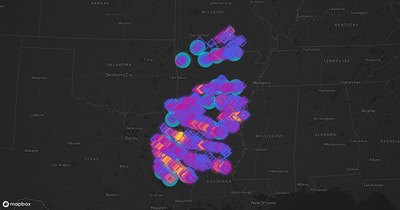
See exactly what you get.
Explore the full Springdale, AR Strike Map free – hail track, address overlay, and CSV download. No account required.
Try the Free Demo →