Colorado Springs, CO Hail Storm – June 2026
June 6, 2026 hail storm near Colorado Springs, CO. Radar-confirmed hail track and contractor lead lists available.
Max Hail
1.67"1.49" est.
confirmed
Zones
1
NWS alerts
Radar
859
dual-pol hits
Spotter
–
field reports
NWS WARNING AREA · Colorado Springs Metro · Jun 7, 2026
Intelligence Platform
StormSnipe Pro
$49/ mo
Cancel anytime · No contracts
›All 50 states
›No zone limits
›No per-event fees
Subscribe to Pro
Pro renews monthly until canceled · Cancel anytime in the billing portal
What's included
Instant delivery
Every storm published within hours of NOAA confirmation.
Interactive Strike Map
Full radar-confirmed hail track on an interactive map.
Address CSV export
Every affected residential address, export-ready.
Smart alerts
Notified when a storm hits your area. Set zones once.
Nationwide coverage
All 50 states. No zone restrictions. No geographic caps.
Live pipeline
NOAA NEXRAD processed and delivered 24/7.
Address data notice
Pro coverage in California, Vermont, and Oregon includes the confirmed hail track and Strike Map only — no address lists. State data-privacy law treats compiled address lists differently in those three states, so we exclude their addresses from extraction and delivery.
NWS WARNING AREA
NWS COC041
Colorado Springs, CO
Dual-Pol Radar
19,723 addresses in warning area
Alert issued Sun, Jun 7 · 1:38 AM UTC
1.75"
confirmed
1.49"
est. (NWS)
Colorado Springs, CO — June 6, 2026: An early-evening hailstorm moved through the metro area, producing peak stones up to 1.67 inch and prompting a single NWS warning. The event is concluded.
What Happened
The storm tracked across the Colorado Springs metro late afternoon into early evening on June 6, 2026. The National Weather Service issued one severe thunderstorm warning at 7:38 PM MDT for the Colorado Springs warning area. Dual-polarization radar within that warning detected hail echoes consistent with 1.49-inch stones at the time the polygon was issued. The event was short-lived and is now concluded.
The report covers a single zone within the Colorado Springs metro. Radar-detected hail echoes were the primary identifying evidence for the warning. No multiple warning sequence occurred for this cell in the metro.
Damage Assessment
Stones reaching 1.67 inch in diameter can produce bruising and granule loss on asphalt shingles, impact damage to single-pane skylights, and visible dents on vehicle sheet metal. In the Colorado Springs metro, expect the highest frequency of visible roof and vehicle impacts in areas directly under the storm track identified by radar. Metal roofing and well-maintained architectural shingles have higher resistance, but older three-tab shingles are prone to accelerated wear when struck by hail of this size.
Exterior building components at elevated exposure — rooftop HVAC units, metal gutters, and exposed trim — are at risk for impact dents and displaced fasteners. Landscaped hard surfaces, solar panels, and patio furniture in uncovered outdoor storage locations may show pockmarks and surface abrasion consistent with 1.0–1.7 inch hail. Roof leaks may not appear immediately; bruising and granule loss can lead to water intrusion during subsequent precipitation if not inspected and repaired.
What Contractors Should Know
Prioritize inspections by property age, roof covering, and exposure. Start with neighborhoods along the radar-identified track in central and eastern portions of the metro and confirm roof material type and age before recommending replacement. Document visible denting, granule loss, cracked flashing, and skylight damage with date-stamped photos and measurements. Note where hail concentration appears higher on windward roof planes and on the windward sides of vehicles and equipment.
Maintain standard safety protocols for ladder and roof access. For asphalt roofs, probe for soft spots and check attic insulation and decking for early signs of leakage. Provide clients with concise repair options: targeted shingle replacement when damage is isolated; full replacement when multiple roof facets show widespread granule loss and bruising. Coordinate with insurers using precise photo documentation and measured hail-size references. Paid customers can consult the Strike Map for the precise hail track and point-by-point radar detections.
Storm Details
- Start Date
- Saturday, June 6, 2026
- Last Activity
- Saturday, June 6, 2026
- Location
- Colorado Springs, CO
- Warning Areas
- 1
- Dual-Pol Radar
- 859
- Spotter Reports
- --
Preview Strike Map
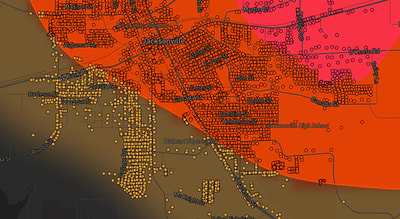
See exactly what you get.
Explore the full Springdale, AR Strike Map free – hail track, address overlay, and CSV download. No account required.
Try the Free Demo →