Olney, TX Hail Storm – June 2026
June 7, 2026 hail storm near Olney, TX. Radar-confirmed hail track and contractor lead lists available.
Max Hail
0.75"NWS Est.
Zones
3
NWS alerts
Radar
–
dual-pol hits
Spotter
–
field reports
NWS WARNING AREA · Olney Metro · Jun 7, 2026
Intelligence Platform
StormSnipe Pro
$49/ mo
Cancel anytime · No contracts
›All 50 states
›No zone limits
›No per-event fees
Subscribe to Pro
Pro renews monthly until canceled · Cancel anytime in the billing portal
What's included
Instant delivery
Every storm published within hours of NOAA confirmation.
Interactive Strike Map
Full radar-confirmed hail track on an interactive map.
Address CSV export
Every affected residential address, export-ready.
Smart alerts
Notified when a storm hits your area. Set zones once.
Nationwide coverage
All 50 states. No zone restrictions. No geographic caps.
Live pipeline
NOAA NEXRAD processed and delivered 24/7.
Address data notice
Pro coverage in California, Vermont, and Oregon includes the confirmed hail track and Strike Map only — no address lists. State data-privacy law treats compiled address lists differently in those three states, so we exclude their addresses from extraction and delivery.
NWS WARNING AREAS · 3
This storm generated 3 NWS alert zones. Pro access covers the complete storm track and all addresses across every zone.
ZONE 1NWS TXC009
Olney, TX
Dual-Pol Radar
7 addresses in warning area
Alert issued Sun, Jun 7 · 8:56 AM UTC
0.75"
confirmed
0.75"
est. (NWS)
ZONE 2NWS TXC009
Holliday, TX
Dual-Pol Radar
1,024 addresses in warning area
Alert issued Sun, Jun 7 · 9:26 AM UTC
0.5"
confirmed
0.75"
est. (NWS)
ZONE 3NWS TXC009
Henrietta, TX
Dual-Pol Radar
1,874 addresses in warning area
Alert issued Sun, Jun 7 · 9:40 AM UTC
1"
confirmed
0.75"
est. (NWS)
Olney, TX — Early morning June 7, 2026, a convective storm passed through the Olney area and produced hail. The event concluded after a short, intense window of activity.
What Happened
The storm moved through Olney in the early morning hours of June 7. The National Weather Service issued three separate alerts for the same storm cell within a 44-minute span. Alert times and estimates were:
- 3:56 AM CDT — warning issued for 0.75-inch hail; NWS warning only.
- 4:26 AM CDT — warning issued for 0.75-inch hail; NWS warning only.
- 4:40 AM CDT — warning issued for 0.75-inch hail; NWS warning only.
Warnings covered a localized NWS warning area across and immediately surrounding Olney. The warning sequence indicates repeated radar signatures prompting new polygons as the cell tracked through the area. The storm is no longer active in the Olney metro.
Damage Assessment
Hail in this size class typically produces cosmetic and limited structural effects. Expect denting and paint damage to unprotected vehicles. Asphalt shingle roofs may show granular loss and isolated bruising on older or marginally attached shingles. Window and skylight damage is uncommon but possible where hail strikes directly at shallow angles. Irrigation hardware, air-conditioning condenser fins, and exposed PV panels are susceptible to localized impact marks.
Inspections should prioritize photographic documentation and measurement of remaining hail fragments where available. Record vehicle locations and visible roof damage by address within the NWS warning area. Avoid attributing widespread structural failure to this event without site-specific evidence.
What Contractors Should Know
Safety first. Perform an initial visual survey from the ground to locate obvious dents, broken glass, or displaced roofing material. Use dated photos and a short written triage log for each address. Prioritize tarping needs where interior water intrusion is present or likely. For roofing work, start with a conservative assessment of granule loss and nail pull on representative shingles rather than wholesale replacement estimates.
Provide concise, address-specific estimates. Note the NWS warning area and the three alert times when documenting scope for insurers and clients. Inspect HVAC condensers, gutters, and solar arrays for impact damage. Keep a measured sample of hail fragments and a clear photo of scale for each job file.
Purchase the Strike Map for this storm to obtain the paid, radar-derived hail track and damage zone for precise strike locations.
Storm Details
- Start Date
- Sunday, June 7, 2026
- Last Activity
- Sunday, June 7, 2026
- Location
- Olney, TX
- Warning Areas
- 3
- Dual-Pol Radar
- --
- Spotter Reports
- --
Preview Strike Map
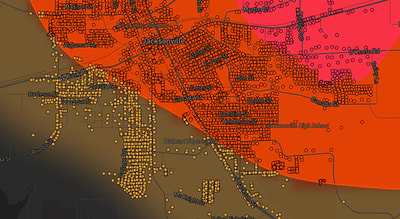
See exactly what you get.
Explore the full Springdale, AR Strike Map free – hail track, address overlay, and CSV download. No account required.
Try the Free Demo →