Pecos, TX Hail Storm – June 2026
June 11, 2026 hail storm near Pecos, TX. Radar-confirmed hail track and contractor lead lists available.
Max Hail
2.25"1" est.
confirmed
Zones
1
NWS alerts
Radar
228
dual-pol hits
Spotter
–
field reports
NWS WARNING AREA · Pecos Metro · Jun 11, 2026
Intelligence Platform
StormSnipe Pro
$49/ mo
Cancel anytime · No contracts
›All 50 states
›No zone limits
›No per-event fees
Subscribe to Pro
Pro renews monthly until canceled · Cancel anytime in the billing portal
What's included
Instant delivery
Every storm published within hours of NOAA confirmation.
Interactive Strike Map
Full radar-confirmed hail track on an interactive map.
Address CSV export
Every affected residential address, export-ready.
Smart alerts
Notified when a storm hits your area. Set zones once.
Nationwide coverage
All 50 states. No zone restrictions. No geographic caps.
Live pipeline
NOAA NEXRAD processed and delivered 24/7.
Address data notice
Pro coverage in California, Vermont, and Oregon includes the confirmed hail track and Strike Map only — no address lists. State data-privacy law treats compiled address lists differently in those three states, so we exclude their addresses from extraction and delivery.
NWS WARNING AREA
NWS TXC389
Pecos, TX
Dual-Pol Radar
2,886 addresses in warning area
Alert issued Thu, Jun 11 · 10:44 PM UTC
2.25"
confirmed
1"
est. (NWS)
Pecos, Texas experienced a severe hail-producing thunderstorm on June 11, 2026, with peak hail stones measured at 2.18 inches in diameter. The event moved through the Pecos metro during the late afternoon and concluded in the early evening.
What Happened
NWS issued one severe thunderstorm warning on June 11 at 5:44 PM CDT for 1-inch hail inside the warning area. The warning covered the Pecos metro and adjacent county roads. Dual-polarization radar later detected stronger hail echoes embedded within the warned cell. The system tracked generally eastward through Pecos during the late-afternoon to early-evening period. Storm reports recorded by local monitoring systems indicate the event has concluded.
Radar-derived signatures produced hail echo cores that persisted for multiple volume scans. The NWS warning was the only public alert tied to this storm. Ground spotter reports were not included in the public warning feed for this event.
Damage Assessment
Stones of this diameter are large enough to dent vehicle body panels, puncture thin metal, and cause substantial loss of asphalt shingles where roofing is aged or already compromised. Broken skylights and cracked glass are possible on exposed structures. Exterior vinyl siding may show impact fractures and abrasion.
Within the Pecos city limits and nearby rural parcels, expect the highest exposure for parked vehicles, rooftop-mounted equipment, and unshielded windows. Signs of impact that warrant closer inspection include granular loss on shingles, concentrated dents on vehicle hoods and roofs, and localized holes in metal roofing panels.
What Contractors Should Know
Prioritize rapid visual roof assessments followed by targeted sample removals on suspect areas. Photograph all findings with date and time metadata and note the street address or GPS coordinate. Start with the most vulnerable materials: asphalt shingle fields, edge flashings, HVAC condenser fins, and skylight glazing. Documenting before any temporary repairs supports claims and scope decisions.
Limit initial invasive work until property owners and insurers establish coverage intent. Where immediate protection is required, install temporary tarping only after photographic documentation. Prepare for a mix of repair and full-replacement orders depending on shingle age and material. Coordinate crews for staged access in the Pecos metro to avoid duplicate inspections and to streamline work in concentrated impact zones.
Purchase the Strike Map for the precise radar-derived hail track and the damage zone inside the warning area.
Storm Details
- Start Date
- Thursday, June 11, 2026
- Last Activity
- Thursday, June 11, 2026
- Location
- Pecos, TX
- Warning Areas
- 1
- Dual-Pol Radar
- 228
- Spotter Reports
- --
Preview Strike Map
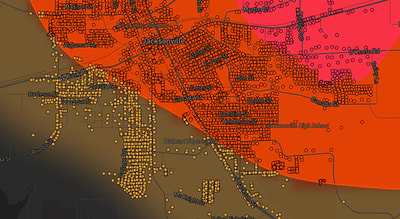
See exactly what you get.
Explore the full Springdale, AR Strike Map free – hail track, address overlay, and CSV download. No account required.
Try the Free Demo →