Sierra Blanca, TX Hail Storm – June 2026
June 12, 2026 hail storm near Sierra Blanca, TX. Radar-confirmed hail track and contractor lead lists available.
Max Hail
1.64"1" est.
confirmed
Zones
1
NWS alerts
Radar
64
dual-pol hits
Spotter
–
field reports
NWS WARNING AREA · Sierra Blanca Metro · Jun 12, 2026
Intelligence Platform
StormSnipe Pro
$49/ mo
Cancel anytime · No contracts
›All 50 states
›No zone limits
›No per-event fees
Subscribe to Pro
Pro renews monthly until canceled · Cancel anytime in the billing portal
What's included
Instant delivery
Every storm published within hours of NOAA confirmation.
Interactive Strike Map
Full radar-confirmed hail track on an interactive map.
Address CSV export
Every affected residential address, export-ready.
Smart alerts
Notified when a storm hits your area. Set zones once.
Nationwide coverage
All 50 states. No zone restrictions. No geographic caps.
Live pipeline
NOAA NEXRAD processed and delivered 24/7.
Address data notice
Pro coverage in California, Vermont, and Oregon includes the confirmed hail track and Strike Map only — no address lists. State data-privacy law treats compiled address lists differently in those three states, so we exclude their addresses from extraction and delivery.
NWS WARNING AREA
NWS TXC229
Sierra Blanca, TX
Dual-Pol Radar
8 addresses in warning area
Alert issued Fri, Jun 12 · 9:00 PM UTC
1.75"
confirmed
1"
est. (NWS)
Sierra Blanca, TX — June 12, 2026. A late-afternoon severe hail event produced radar-detected hail up to 1.64 inches in diameter and moved across the Sierra Blanca area before concluding in the early evening.
What Happened
The storm developed into a single severe cell over Hudspeth County during the late afternoon and passed through the Sierra Blanca vicinity on June 12. The National Weather Service issued one hail alert at 4:00 PM CDT (21:00 UTC) that cited 1-inch hail based on dual-polarization radar detection. Subsequent radar analysis mapped a larger hail signature, with peak radar-derived hail size measured at 1.64 inches.
Storm motion was generally northeastward across the immediate Sierra Blanca zone. The event was short lived, with the primary hail-producing core active for roughly 30 to 45 minutes in the local area. No additional NWS alerts were issued for this cell after the 4:00 PM advisory.
Damage Assessment
Radar-detected hail to 1.64 inches in Sierra Blanca is consistent with stone sizes that commonly dent light-gauge metal, damage older composite roof shingles, and cause visible dents to vehicle body panels. On residential roofs with aged or weathered shingles, expect granular loss and exposed underlayment where strikes were concentrated. Skylights and polymer or thin-glass window panes are at greater risk of cracking in direct hits.
Vegetation impacts in the immediate area can include defoliation of tender foliage and bruising to fruiting plants. Driveable vehicles left uncovered in the path of the core are likely to show panel dents and broken mirror housings in localized spots where larger stones occurred. No spotter-verified roof collapses or widespread structural failures were reported in the Sierra Blanca zone within the available incident feed.
What Contractors Should Know
Prioritize a documented exterior assessment. Begin with a safety check for downed power lines and unstable tree limbs in the work area. Photograph roof fields, eaves, gutters, and any soft metals with a scale reference. Measure hail scars where possible and note roof age, shingle manufacturer, and any pre-existing damage. Capture vehicle VINs and multiple-angle photos of dents for claims documentation.
Temporary protections should be pragmatic and minimal. Apply tarps only when water intrusion is imminent and when substrate conditions allow safe work. Secure loose debris and clear gutters to reduce secondary water damage during subsequent rain. Coordinate with insurance adjusters early and provide a concise field report with time-stamped photos. For a precise hail track and the official damage zone, see the Strike Map for this event.
Storm Details
- Start Date
- Friday, June 12, 2026
- Last Activity
- Friday, June 12, 2026
- Location
- Sierra Blanca, TX
- Warning Areas
- 1
- Dual-Pol Radar
- 64
- Spotter Reports
- --
Preview Strike Map
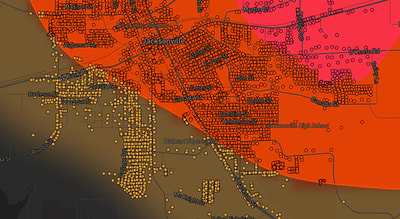
See exactly what you get.
Explore the full Springdale, AR Strike Map free – hail track, address overlay, and CSV download. No account required.
Try the Free Demo →