Moriarty, NM Hail Storm – June 2026
June 12, 2026 hail storm near Moriarty, NM. Radar-confirmed hail track and contractor lead lists available.
Max Hail
1.72"1.32" est.
confirmed
Zones
2
NWS alerts
Radar
347
dual-pol hits
Spotter
1
field reports
NWS WARNING AREA · Moriarty Metro · Jun 13, 2026
Intelligence Platform
StormSnipe Pro
$49/ mo
Cancel anytime · No contracts
›All 50 states
›No zone limits
›No per-event fees
Subscribe to Pro
Pro renews monthly until canceled · Cancel anytime in the billing portal
What's included
Instant delivery
Every storm published within hours of NOAA confirmation.
Interactive Strike Map
Full radar-confirmed hail track on an interactive map.
Address CSV export
Every affected residential address, export-ready.
Smart alerts
Notified when a storm hits your area. Set zones once.
Nationwide coverage
All 50 states. No zone restrictions. No geographic caps.
Live pipeline
NOAA NEXRAD processed and delivered 24/7.
Address data notice
Pro coverage in California, Vermont, and Oregon includes the confirmed hail track and Strike Map only — no address lists. State data-privacy law treats compiled address lists differently in those three states, so we exclude their addresses from extraction and delivery.
NWS WARNING AREAS · 2
This storm generated 2 NWS alert zones. Pro access covers the complete storm track and all addresses across every zone.
ZONE 1NWS NMC057
Moriarty, NM
Dual-Pol Radar
2,375 addresses in warning area
Alert issued Sat, Jun 13 · 2:13 AM UTC
2.5"
confirmed
1.32"
est. (NWS)
ZONE 2NWS NMC019
Santa Rosa, NM
Dual-Pol Radar
34 addresses in warning area
Alert issued Sat, Jun 13 · 3:48 AM UTC
1.75"
confirmed
1"
est. (NWS)
Moriarty, NM experienced a concluded multi-zone hail event on June 12, 2026, with radar-detected stones peaking at 1.72 inches. The storm moved through the area in the early evening and produced two NWS warning areas.
What Happened
The event developed in late afternoon and intensified into the early evening across Moriarty and nearby zones. The National Weather Service issued two warning areas tied to this system. The first warning area began at 8:13 PM MDT and reported 1.32-inch hail detected by dual-polarization radar. The second warning area began at 9:48 PM MDT and included radar-detected hail to 1.00 inch. Both warnings were based on NEXRAD dual-polarization hail detection and covered distinct segments of the storm track. Radar returns showed the strongest cores during the first warning area, with a narrower swath of smaller hail reported later in the evening. The storm status is concluded.
Damage Assessment
Hail sizes observed during the event reached into a range that commonly damages unprotected vehicles and soft roofing. In the affected warning areas around Moriarty, metal trim, vents, and exposed siding are at elevated risk of denting and abrasion. Asphalt shingle roofs in direct hail swaths may exhibit cracked or displaced granules and localized shingle fracture where impacts were concentrated. Landscaped vegetation such as young trees, shrubs, and outdoor equipment may show defoliation and surface damage where hail accumulation occurred.
There are no spotter-verified damage reports included with the radar detections in this dataset. Field inspections should prioritize addresses inside the issued NWS warning areas and along the radar-derived hail track for visible sheet-metal, glass, and roofing impact evidence. Document photos with timestamps and location references for any observed damage to support insurance and repair claims.
What Contractors Should Know
Inspect roofs first for impact patterns consistent with hail in the observed size range. Look for clustered fractures, missing granules, and cracked fiberglass or composite shingles. Check painted metal surfaces, HVAC housings, and vehicle panels in driveways for dents and paint chips. Prioritize safety – secure ladders and use proper fall protection when accessing rooflines. Record measurements and photograph all damage from multiple angles, including close-ups of impact marks and wide shots showing roof location relative to property features.
For repair planning, estimate both patch and replacement needs based on the concentration of impacts. Minor surface damage and isolated shingle fractures may be suitable for targeted repairs. Where impacts are widespread over multiple roof planes or critical components are compromised, prepare full replacement scopes and material lists. Coordinate with property owners on temporary coverings and water intrusion prevention if inspections reveal compromised seals or underlayment. For precise hail track data and address-level impact guidance, consult the paid Strike Map product.
Storm Details
- Start Date
- Friday, June 12, 2026
- Last Activity
- Friday, June 12, 2026
- Location
- Moriarty, NM
- Warning Areas
- 2
- Dual-Pol Radar
- 347
- Spotter Reports
- 1
Preview Strike Map
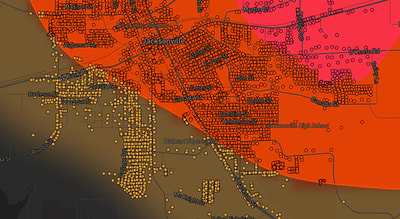
See exactly what you get.
Explore the full Springdale, AR Strike Map free – hail track, address overlay, and CSV download. No account required.
Try the Free Demo →