Corona, NM Hail Storm – June 2026
June 13, 2026 hail storm near Corona, NM. Radar-confirmed hail track and contractor lead lists available.
Max Hail
1.76"1.22" est.
confirmed
Zones
2
NWS alerts
Radar
268
dual-pol hits
Spotter
–
field reports
NWS WARNING AREA · Corona Metro · Jun 14, 2026
Intelligence Platform
StormSnipe Pro
$49/ mo
Cancel anytime · No contracts
›All 50 states
›No zone limits
›No per-event fees
Subscribe to Pro
Pro renews monthly until canceled · Cancel anytime in the billing portal
What's included
Instant delivery
Every storm published within hours of NOAA confirmation.
Interactive Strike Map
Full radar-confirmed hail track on an interactive map.
Address CSV export
Every affected residential address, export-ready.
Smart alerts
Notified when a storm hits your area. Set zones once.
Nationwide coverage
All 50 states. No zone restrictions. No geographic caps.
Live pipeline
NOAA NEXRAD processed and delivered 24/7.
Address data notice
Pro coverage in California, Vermont, and Oregon includes the confirmed hail track and Strike Map only — no address lists. State data-privacy law treats compiled address lists differently in those three states, so we exclude their addresses from extraction and delivery.
NWS WARNING AREAS · 2
This storm generated 2 NWS alert zones. Pro access covers the complete storm track and all addresses across every zone.
ZONE 1NWS NMC005
Corona, NM
Dual-Pol Radar
2 addresses in warning area
Alert issued Sun, Jun 14 · 12:19 AM UTC
1.54"
confirmed
1.22"
est. (NWS)
ZONE 2NWS NMC005
Roswell, NM
Dual-Pol Radar
9 addresses in warning area
Alert issued Sun, Jun 14 · 1:59 AM UTC
2"
confirmed
1"
est. (NWS)
Corona, New Mexico experienced an early evening hail event on June 13, 2026, peaking at 1.76 inches in diameter. The storm concluded the same evening after producing multiple radar-detected hail signatures across the metro area.
What Happened
A line of strong convection moved through the Corona metro in the late afternoon into early evening on June 13. The NWS issued two warning-area alerts for hail within the event. At 6:19 PM MDT a warning-area alert noted radar-detected hail up to 1.22 inches. At 7:59 PM MDT a later warning-area alert noted radar-detected hail up to 1.00 inch. Dual-polarization radar signatures produced multiple hail detections across adjoining zones, and the aggregated radar analysis yields a peak hail diameter of 1.76 inches for the combined event. The storm has concluded and no active warnings remain for the Corona area.
Damage Assessment
Radar-detected hail up to 1.76 inches indicates a likely range of impacts for exposed materials in the Corona warning areas. Vehicles parked outdoors are at risk for denting and broken glass where hail was heavy. Asphalt shingles may show bruising, granule loss, and isolated shingle fracture on south- and west-facing slopes. Metal equipment and air-conditioning units can sustain dents and panel deformation. Exterior vinyl siding and skylights are vulnerable to cracking where hail rates were highest.
This report does not list field-verified damage. Where on-the-ground reports exist, they are noted separately by time and location. Inspections should prioritize structures and assets located along the strongest radar-derived hail returns and within the NWS warning areas issued on June 13.
What Contractors Should Know
Begin with a safety-first site assessment. Confirm power is isolated at damaged HVAC units and electrical panels before work begins. Document all observed damage with dated photographs and GPS-referenced notes. Focus initial inspections on roofing, vehicle fleets, HVAC condensers, and glazed openings. Record pre-repair conditions clearly to support claims and client communication.
Estimate repairs based on material condition rather than hail size alone. For asphalt roofing, inspect for granule loss and shingle integrity; small cosmetic bruises may not require full replacement, while fractured tabs do. For metal and equipment, check mounting points and drain functionality. Prioritize temporary covers for compromised roofs and emergency tarping where water intrusion is possible. Use the Strike Map product for precise hail track points when assigning crews and planning detailed repairs.
Storm Details
- Start Date
- Saturday, June 13, 2026
- Last Activity
- Saturday, June 13, 2026
- Location
- Corona, NM
- Warning Areas
- 2
- Dual-Pol Radar
- 268
- Spotter Reports
- --
Preview Strike Map
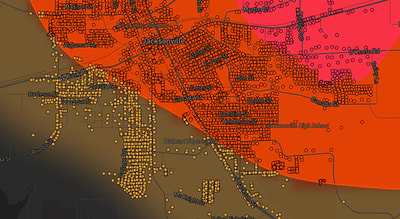
See exactly what you get.
Explore the full Springdale, AR Strike Map free – hail track, address overlay, and CSV download. No account required.
Try the Free Demo →