Markleeville, CA Hail Storm – June 2026
June 18, 2026 hail storm near Markleeville, CA. Radar-confirmed hail track and contractor lead lists available.
Max Hail
1.09"1" est.
confirmed
Zones
4
NWS alerts
Radar
432
dual-pol hits
Spotter
–
field reports
NWS WARNING AREA · Markleeville Metro · Jun 18, 2026
Intelligence Platform
StormSnipe Pro
$49/ mo
Cancel anytime · No contracts
›All 50 states
›No zone limits
›No per-event fees
Subscribe to Pro
Billed monthly · Cancel anytime
What's included
Instant delivery
Every storm published within hours of NOAA confirmation.
Interactive Strike Map
Full radar-confirmed hail track on an interactive map.
Address CSV export
Every affected residential address, export-ready.
Smart alerts
Notified when a storm hits your area. Set zones once.
Nationwide coverage
All 50 states. No zone restrictions. No geographic caps.
Live pipeline
NOAA NEXRAD processed and delivered 24/7.
NWS WARNING AREAS · 4
This storm generated 4 NWS alert zones. Pro access covers the complete storm track and all addresses across every zone.
ZONE 1NWS CAC003
Markleeville, CA
Dual-Pol Radar
Alert issued Thu, Jun 18 · 11:50 PM UTC
0.83"
confirmed
1"
est. (NWS)
ZONE 2NWS CAC017
Homewood, CA
Dual-Pol Radar
Alert issued Fri, Jun 19 · 2:17 AM UTC
1.09"
confirmed
1"
est. (NWS)
ZONE 3NWS CAC057
Foresthill, CA
Dual-Pol Radar
Alert issued Fri, Jun 19 · 3:04 AM UTC
1.01"
confirmed
1"
est. (NWS)
ZONE 4NWS CAC063
Chilcoot, CA
Dual-Pol Radar
Alert issued Fri, Jun 19 · 5:07 AM UTC
0.96"
confirmed
1"
est. (NWS)
Markleeville, California experienced a concluded severe hail event on June 18, 2026, producing a peak 1.09-inch hailstone and multiple NWS radar-based alerts across the immediate metro area.
What Happened
The storm moved through the Markleeville area in a late-afternoon to early-evening window on June 18. The National Weather Service issued four separate warning-area alerts tied to dual-polarization radar detections. Alerts were issued at 4:50 PM PDT (23:50 UTC), 7:17 PM PDT (02:17 UTC), 8:04 PM PDT (03:04 UTC), and 10:07 PM PDT (05:07 UTC). Each alert cited radar-detected hail signatures within the warning area; no on-scene spotter submissions were included with those alerts. The event concluded before midnight local time. Radar-derived hail detections repeatedly returned through the evening, indicating multiple cells or pulses crossing the same corridor into the valley.
Damage Assessment
Hail from this event reached a size capable of producing cosmetic and functional damage to common materials in the Markleeville valley. Expected effects include dents and bruising to unprotected vehicles, pitting of older or untreated automotive glass, and localized denting to asphalt shingles and light-gauge metal roof panels. Vulnerable siding materials such as older vinyl or thin aluminum are at higher risk of cracking or surface deformation. Exposed agricultural assets in low-elevation fields and small orchards can show fruit bruising and leaf shredding from hail of this scale.
No storm spotter damage reports were attached to the NWS alerts that accompanied this event. Any suspected damage claims should be validated with on-site inspection and photographic documentation tied to the June 18 timeframe and the specific address or parcel.
What Contractors Should Know
Prioritize roof and vehicle assessments in the lower-elevation residential pockets and along the valley floor where radar detections concentrated. Start with photographic logs of pre-existing conditions and new damage under consistent lighting. Check asphalt shingles for localized impact marks and fracture of granules near ridge and eave lines. Inspect skylights and exposed glazing for pitting that can progress to cracks. For metal roofing, look for dents along exposed edges and fastener plates.
For emergency repairs, deploy tarping only after documenting damage and confirming structural attachment points. Use temporary fasteners rated for local wind exposure and avoid driven fasteners through compromised sheathing. For insurance workflows, provide time-stamped photos, GPS-referenced site notes, and contractor estimates that reference the June 18 event. Coordinate with vehicle owners for windshield and bodywork triage before corrosion or interior water ingress occurs.
For a precise radar-derived hail track and location-level strike mapping in the Markleeville area, consult the paid Strike Map product for exact hail swath and damage zone boundaries.
Storm Details
- Start Date
- Thursday, June 18, 2026
- Last Activity
- Thursday, June 18, 2026
- Location
- Markleeville, CA
- Warning Areas
- 4
- Dual-Pol Radar
- 432
- Spotter Reports
- --
Preview Strike Map
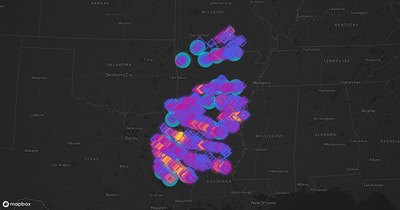
See exactly what you get.
Explore the full Springdale, AR Strike Map free – hail track, address overlay, and CSV download. No account required.
Try the Free Demo →