Abilene, TX Hail Storm – June 2026
June 18, 2026 hail storm near Abilene, TX. Radar-confirmed hail track and contractor lead lists available.
Max Hail
2.14"2.03" est.
confirmed
Zones
12
NWS alerts
Radar
2,193
dual-pol hits
Spotter
–
field reports
NWS WARNING AREA · Abilene Metro · Jun 19, 2026
Intelligence Platform
StormSnipe Pro
$49/ mo
Cancel anytime · No contracts
›All 50 states
›No zone limits
›No per-event fees
Subscribe to Pro
Pro renews monthly until canceled · Cancel anytime in the billing portal
What's included
Instant delivery
Every storm published within hours of NOAA confirmation.
Interactive Strike Map
Full radar-confirmed hail track on an interactive map.
Address CSV export
Every affected residential address, export-ready.
Smart alerts
Notified when a storm hits your area. Set zones once.
Nationwide coverage
All 50 states. No zone restrictions. No geographic caps.
Live pipeline
NOAA NEXRAD processed and delivered 24/7.
Address data notice
Pro coverage in California, Vermont, and Oregon includes the confirmed hail track and Strike Map only — no address lists. State data-privacy law treats compiled address lists differently in those three states, so we exclude their addresses from extraction and delivery.
NWS WARNING AREAS · 12
This storm generated 12 NWS alert zones. Pro access covers the complete storm track and all addresses across every zone.
ZONE 1NWS TXC441
Abilene, TX
Dual-Pol Radar
458 addresses in warning area
Alert issued Fri, Jun 19 · 1:46 AM UTC
2.5"
confirmed
1.22"
est. (NWS)
ZONE 2NWS TXC081
Norton, TX
Dual-Pol Radar
421 addresses in warning area
Alert issued Fri, Jun 19 · 3:12 AM UTC
2.75"
confirmed
2.03"
est. (NWS)
ZONE 3NWS TXC399
Winters, TX
Dual-Pol Radar
146 addresses in warning area
Alert issued Fri, Jun 19 · 4:09 AM UTC
2"
confirmed
1.5"
est. (NWS)
ZONE 4NWS TXC059
Coleman, TX
Dual-Pol Radar
1,808 addresses in warning area
Alert issued Fri, Jun 19 · 5:16 AM UTC
1.5"
confirmed
1"
est. (NWS)
ZONE 5NWS TXC447
Throckmorton, TX
Dual-Pol Radar
119 addresses in warning area
Alert issued Fri, Jun 19 · 7:27 AM UTC
2.75"
confirmed
1.53"
est. (NWS)
ZONE 6NWS TXC503
Newcastle, TX
Dual-Pol Radar
8,495 addresses in warning area
Alert issued Fri, Jun 19 · 7:35 AM UTC
2.5"
confirmed
0.75"
est. (NWS)
ZONE 7NWS TXC237
Strawn, TX
Dual-Pol Radar
12,666 addresses in warning area
Alert issued Fri, Jun 19 · 8:16 AM UTC
2.5"
confirmed
1.39"
est. (NWS)
ZONE 8NWS TXC363
Palo Pinto, TX
Dual-Pol Radar
2,709 addresses in warning area
Alert issued Fri, Jun 19 · 9:06 AM UTC
1.25"
confirmed
0.75"
est. (NWS)
ZONE 9NWS TXC143
Lipan, TX
Dual-Pol Radar
29,561 addresses in warning area
Alert issued Fri, Jun 19 · 9:13 AM UTC
1.5"
confirmed
0.75"
est. (NWS)
ZONE 10NWS TXC363
Weatherford, TX
Dual-Pol Radar
10,381 addresses in warning area
Alert issued Fri, Jun 19 · 9:23 AM UTC
1.5"
confirmed
0.75"
est. (NWS)
ZONE 11NWS TXC411
Lometa, TX
Dual-Pol Radar
1,462 addresses in warning area
Alert issued Fri, Jun 19 · 2:43 PM UTC
2.5"
confirmed
1.48"
est. (NWS)
ZONE 12NWS TXC281
Lometa, TX
Dual-Pol Radar
684 addresses in warning area
Alert issued Fri, Jun 19 · 2:54 PM UTC
1.25"
confirmed
0.75"
est. (NWS)
A multi-zone hail event impacted Abilene, TX on June 18, 2026, producing a peak stone of 2.14 inches and multiple radar and NWS warning alerts.
What Happened
Alerts began at 8:46 PM CDT on June 18 and continued through 9:54 AM CDT on June 19. The National Weather Service issued 12 alerts for the Abilene metro during that period. Six alerts included dual-polarization NEXRAD radar hail detections. Six alerts were issued as NWS warning only notices without corresponding radar hail detections.
The strongest radar-derived hail detection was 2.03 inches at 10:12 PM CDT on June 18. Other radar-detected sizes reported during the night and early morning included 1.22 inches, 1.50 inches, 1.53 inches, 1.39 inches, and 1.48 inches at various points in the sequence. NWS warning-only alerts reported several smaller values clustered at 0.75 to 1.00 inch. The alert sequence shows intermittent radar confirmation interleaved with warning-only notices as the line of storms moved through different metro sectors.
Storm behavior was consistent with multi-cell hail-producing convection that persisted across multiple reporting zones. The mix of radar-detected hail and warning-only alerts indicates variable radar signal return and localized hail signatures across the metro footprint. The event is now concluded.
Damage Assessment
Radar detections and NWS warnings for this event spanned roughly 0.75 to 2.03 inches in sampled points across the Abilene metro. Hail in that range can dent vehicle panels, chip painted surfaces, and bruise or crack exterior glass. Roof coverings with older or marginal shingles are at higher risk of granule loss and shingle deformation when impacted by stones above one inch.
Ground-level impacts will vary by exposure, duration, and whether hail fell on wind-driven angles. Reported NWS warnings indicate the potential for localized property impacts in multiple Abilene neighborhoods. Inspections should prioritize vehicles parked outdoors, skylights, exposed air-conditioning units, and roofing faces that took the brunt of the storm as indicated by local observations and imagery.
What Contractors Should Know
Begin with a documented exterior survey. Photograph roof planes, gutters, siding, windows, and parked vehicles with time-stamped images. Record the local alert timeline for the specific property address and note which side of structures faced the storm path. Temporary tarping for open roof areas should follow OSHA safety protocols and local permitting rules.
Estimate repairs by grouping work into immediate remediation and deferred replacement. Immediate items include tarping, clearing debris, and securing loose metal. Deferred work includes full shingle replacement, dented metal panels, and glass replacement. Provide clients with a concise scope, line-item estimates, and photographic evidence tied to the event window to support insurance interactions.
Storm Details
- Start Date
- Thursday, June 18, 2026
- Last Activity
- Friday, June 19, 2026
- Location
- Abilene, TX
- Warning Areas
- 12
- Dual-Pol Radar
- 2,193
- Spotter Reports
- --
Preview Strike Map
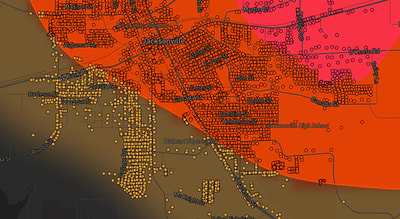
See exactly what you get.
Explore the full Springdale, AR Strike Map free – hail track, address overlay, and CSV download. No account required.
Try the Free Demo →