ACTIVE STORM
Monitoring live · Last activity 2h ago
Hobart, OK Hail Storm – June 2026
June 19, 2026 hail storm near Hobart, OK. Radar-confirmed hail track and contractor lead lists available.
Max Hail
1.64"1.26" est.
confirmed
Zones
4
NWS alerts
Radar
154
dual-pol hits
Spotter
–
field reports
NWS WARNING AREA · Hobart Metro · Jun 19, 2026
Intelligence Platform
StormSnipe Pro
$49/ mo
Cancel anytime · No contracts
›All 50 states
›No zone limits
›No per-event fees
Subscribe to Pro
Billed monthly · Cancel anytime
What's included
Instant delivery
Every storm published within hours of NOAA confirmation.
Interactive Strike Map
Full radar-confirmed hail track on an interactive map.
Address CSV export
Every affected residential address, export-ready.
Smart alerts
Notified when a storm hits your area. Set zones once.
Nationwide coverage
All 50 states. No zone restrictions. No geographic caps.
Live pipeline
NOAA NEXRAD processed and delivered 24/7.
NWS WARNING AREAS · 4
This storm generated 4 NWS alert zones. Pro access covers the complete storm track and all addresses across every zone.
ZONE 1NWS OKC075
Hobart, OK
Dual-Pol Radar
153 addresses in warning area
Alert issued Fri, Jun 19 · 8:41 AM UTC
1.64"
confirmed
1.26"
est. (NWS)
ZONE 2NWS OKC141
Hollister, OK
Dual-Pol Radar
385 addresses in warning area
Alert issued Fri, Jun 19 · 9:00 AM UTC
1.21"
confirmed
0.88"
est. (NWS)
ZONE 3NWS OKC033
Grandfield, OK
Dual-Pol Radar
1,448 addresses in warning area
Alert issued Fri, Jun 19 · 9:40 AM UTC
1.37"
confirmed
0.75"
est. (NWS)
ZONE 4NWS OKC031
Waurika, OK
NWS Warning
Alert issued Fri, Jun 19 · 10:12 AM UTC
0.75"
est. (NWS)
Hobart, OK is being crossed by a multi-alert severe thunderstorm on June 19, 2026, producing hail up to 1.64 inches and continuing to produce localized hail and thunderstorm activity. The storm is active and tracking through the Hobart metro this morning.
What Happened
Early-morning alerts began as the cell moved into the Hobart area. Dual-polarization radar detected 1.26-inch hail at 3:41 AM CDT (08:41 UTC). The National Weather Service issued three additional warning-area reports at 4:00 AM CDT (09:00 UTC) for 0.88-inch hail, at 4:40 AM CDT (09:40 UTC) for 0.75-inch hail, and at 5:12 AM CDT (10:12 UTC) for 0.75-inch hail. The event is a multi-zone aggregate report covering several NWS warning areas across the metro. Radar-detected returns and subsequent NWS warning-area reports indicate ongoing hail production along the storm's forward flank. Conditions may still be developing as the system moves eastward.
Damage Assessment
Radar detections and warning-area reports show hail predominantly in the three-quarter-inch to near 1.3-inch range across most swaths. Hail at or above one inch commonly produces dents in vehicle body panels and accelerates wear on asphalt shingles that are already aged or weathered. Stones approaching and exceeding 1.25 inches increase the likelihood of localized shingle fracture, broken skylights, and concentrated siding pitting on exposed elevations. Lawns, soft landscaping, and outdoor furniture can sustain cosmetic and structural harm in the portions of Hobart that received the higher radar returns.
Inspectors working inside the warning area should expect variability over short distances; damage may be concentrated in narrow lanes where updrafts produced larger stones. Photo documentation of vehicles, roofs, and glazing from multiple angles will help separate hail damage from preexisting issues. Record exact locations and times for each documented instance to align claims and repair estimates with the alert timeline.
What Contractors Should Know
Safety first. Work in the warning area is ongoing while storms continue. Confirm safe weather breaks before sending crews. Prioritize life-safety hazards and temporary weatherproofing such as tarping compromised openings. Use PPE appropriate for wet, slippery surfaces and falling debris. Photograph high-risk exposures and label images with addresses and local times to support rapid triage and billing.
Inspection workflow should begin with a visual perimeter pass to identify the most heavily impacted structures and vehicles. Roofers should inspect for fractured or missing shingles, granule loss, and concentrated impact patterns along windward exposures. Glass and siding contractors should check for pitting and cracks on south- and west-facing surfaces. Expect localized demand spikes; stage materials and crews for rapid deployment to the lanes showing the largest stones. See the paid Strike Map for precise hail track and damage zone details.
Developing Story
Coverage updates as radar and spotter data comes in. Last updated 56m ago.
Storm Details
- Start Date
- Friday, June 19, 2026
- Last Activity
- Friday, June 19, 2026
- Location
- Hobart, OK
- Warning Areas
- 4
- Dual-Pol Radar
- 154
- Spotter Reports
- --
Preview Strike Map
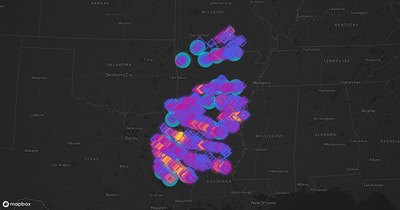
See exactly what you get.
Explore the full Springdale, AR Strike Map free – hail track, address overlay, and CSV download. No account required.
Try the Free Demo →