West Memphis, AR Hail Storm – June 2026
June 22, 2026 hail storm near West Memphis, AR. Radar-confirmed hail track and contractor lead lists available.
Max Hail
0.75"NWS Est.
Zones
1
NWS alerts
Radar
–
dual-pol hits
Spotter
–
field reports
NWS WARNING AREA · West Memphis Metro · Jun 22, 2026
Intelligence Platform
StormSnipe Pro
$49/ mo
Cancel anytime · No contracts
›All 50 states
›No zone limits
›No per-event fees
Subscribe to Pro
Pro renews monthly until canceled · Cancel anytime in the billing portal
What's included
Instant delivery
Every storm published within hours of NOAA confirmation.
Interactive Strike Map
Full radar-confirmed hail track on an interactive map.
Address CSV export
Every affected residential address, export-ready.
Smart alerts
Notified when a storm hits your area. Set zones once.
Nationwide coverage
All 50 states. No zone restrictions. No geographic caps.
Live pipeline
NOAA NEXRAD processed and delivered 24/7.
Address data notice
Pro coverage in California, Vermont, and Oregon includes the confirmed hail track and Strike Map only — no address lists. State data-privacy law treats compiled address lists differently in those three states, so we exclude their addresses from extraction and delivery.
NWS WARNING AREA
NWS ARC035
West Memphis, AR
Dual-Pol Radar
57 addresses in warning area
Alert issued Mon, Jun 22 · 2:12 PM UTC
0.75"
confirmed
0.75"
est. (NWS)
West Memphis, AR, June 22, 2026 – a mid-morning thunderstorm produced hail up to 0.75 inch across parts of the metro. The event concluded the same day after a single NWS alert.
What Happened
NWS issued one severe thunderstorm warning at 9:12 AM CDT for the West Memphis area. The warning noted sub-inch hail and was issued as NWS warning only. Radar returned a localized hail signature that tracked across the western portion of the metro during the mid-morning period. No spotter-verified reports were attached to the warning at the time of issuance.
The storm moved relatively quickly through the metro. Storm motion and radar echoes showed the most consistent hail signal lasting roughly 20 to 30 minutes over any given neighborhood. No subsequent warnings were issued for the same cell later in the day.
Damage Assessment
Sub-inch hail typically causes cosmetic and surface-level damage. Expect scuffs and chipped paint on vehicle panels, shallow dents on softer metals, and loss of shingle granules on asphalt roofs. Older or weathered shingles show the greatest immediate wear from impacts of this size.
Siding and exterior trim may exhibit surface pitting or abrasion where impacts were concentrated. Skylights and single-pane windows can show edge chips or surface etching, though complete breakage is uncommon with sub-inch stones. Vegetation may show leaf shredding and foliar bruising on tender plants.
Prioritize inspections for vehicles parked outdoors, older roofing systems, soft-metal roofing and trim, exposed HVAC coils and condensers, and gutters where granule accumulation signals shingle wear.
What Contractors Should Know
Start with a visual, photographic survey that timestamps each observation. Record the NWS warning time in your job file and capture roof-level photos from multiple aspects to document granule loss, hail imprinting on shingles, and any exposed underlayment or nails. For vehicles, take close-up photos of dents and paint loss and note original parking locations. Follow standard safety protocols for ladder and roof access.
Triage repair recommendations by material condition. For asphalt roofs with limited granule loss and intact tabs, recommend targeted shingle replacement and a warranty-note on remaining life. For roofs with widespread granule depletion or age-related brittleness, provide options for larger patching versus full replacement. Document all temporary measures such as tarps or fasteners. Include the NWS warning timestamp and radar-observed hail track in estimates and insurer submissions to establish event timing and scope.
Access the paid Strike Map for precise hail track and damage zone mapping.
Storm Details
- Start Date
- Monday, June 22, 2026
- Last Activity
- Monday, June 22, 2026
- Location
- West Memphis, AR
- Warning Areas
- 1
- Dual-Pol Radar
- --
- Spotter Reports
- --
Preview Strike Map
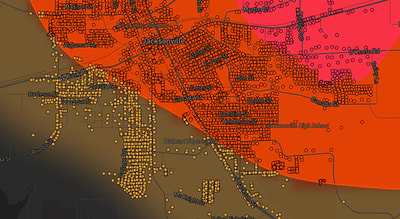
See exactly what you get.
Explore the full Springdale, AR Strike Map free – hail track, address overlay, and CSV download. No account required.
Try the Free Demo →