Fort Stockton, TX Hail Storm – June 2026
June 22, 2026 hail storm near Fort Stockton, TX. Radar-confirmed hail track and contractor lead lists available.
Max Hail
2.6"2.01" est.
confirmed
Zones
4
NWS alerts
Radar
727
dual-pol hits
Spotter
–
field reports
NWS WARNING AREA · Fort Stockton Metro · Jun 22, 2026
Intelligence Platform
StormSnipe Pro
$49/ mo
Cancel anytime · No contracts
›All 50 states
›No zone limits
›No per-event fees
Subscribe to Pro
Pro renews monthly until canceled · Cancel anytime in the billing portal
What's included
Instant delivery
Every storm published within hours of NOAA confirmation.
Interactive Strike Map
Full radar-confirmed hail track on an interactive map.
Address CSV export
Every affected residential address, export-ready.
Smart alerts
Notified when a storm hits your area. Set zones once.
Nationwide coverage
All 50 states. No zone restrictions. No geographic caps.
Live pipeline
NOAA NEXRAD processed and delivered 24/7.
Address data notice
Pro coverage in California, Vermont, and Oregon includes the confirmed hail track and Strike Map only — no address lists. State data-privacy law treats compiled address lists differently in those three states, so we exclude their addresses from extraction and delivery.
NWS WARNING AREAS · 4
This storm generated 4 NWS alert zones. Pro access covers the complete storm track and all addresses across every zone.
ZONE 1NWS TXC371
Fort Stockton, TX
Dual-Pol Radar
151 addresses in warning area
Alert issued Mon, Jun 22 · 8:08 PM UTC
2.01"
confirmed
1.46"
est. (NWS)
ZONE 2NWS TXC043
Marathon, TX
Dual-Pol Radar
14 addresses in warning area
Alert issued Mon, Jun 22 · 8:33 PM UTC
3"
confirmed
2.01"
est. (NWS)
ZONE 3NWS TXC329
Midkiff, TX
Dual-Pol Radar
237 addresses in warning area
Alert issued Mon, Jun 22 · 10:58 PM UTC
2.25"
confirmed
1.35"
est. (NWS)
ZONE 4NWS TXC173
Big Spring, TX
Dual-Pol Radar
1,464 addresses in warning area
Alert issued Tue, Jun 23 · 12:41 AM UTC
1.75"
confirmed
1"
est. (NWS)
Fort Stockton, Texas experienced a multi-alert severe thunderstorm on June 22, 2026, producing a maximum confirmed hail size of 2.6 inches. The event was radar-detected and prompted successive NWS warning areas across the metro.
What Happened
The storm produced four NWS alerts across the Fort Stockton warning area on June 22. At 3:08 PM CDT (20:08 UTC) dual-polarization radar indicated 1.46-inch hail. At 3:33 PM CDT (20:33 UTC) the radar detected 2.01-inch hail on a subsequent cell. Later in the afternoon, at 5:58 PM CDT (22:58 UTC), radar again flagged 1.35-inch hail. A final NWS warning-only alert was issued at 7:41 PM CDT (00:41 UTC) reporting 1.00-inch hail in the broader warning area.
Storm returns to the Fort Stockton metro were spatially discrete, with radar-derived hail detections clustered along the stronger convection axis. Local storm structure included high reflectivity cores consistent with large hail production on the mid-afternoon cells. The event concluded the same evening with no ongoing severe activity reported in the metro.
Damage Assessment
Radar and NWS warning data document a hail-size range of roughly 1.0 to 2.6 inches across the Fort Stockton warning area on June 22. Hail at or above 1 inch typically produces cosmetic to structural impacts on exposed property. Hail approaching 2.5 inches carries a higher risk of shingle puncture, denting of vehicle panels, and damage to rooftop equipment where protection is limited.
In the Fort Stockton metro, expect localized concentrations of impact where radar detections and warning polygons overlap. Inspect roofing for missing or fractured asphalt shingles, granule loss, and bruising. Check vehicles for round dents and cracked glass, particularly on windshields and sunroofs. Exterior HVAC units, gutters, and exposed signage are vulnerable in unshielded installations. Agricultural and landscape exposures should be inspected for defoliation and impact to fruit and tender crops.
What Contractors Should Know
Prioritize safety and documentation on first visits. Photograph each property from multiple angles, include a fixed object for scale, and capture timestamps. Use calibrated rulers or measuring devices when photographing hail damage on soft metals, siding, or roofing components. Note the property address against the Fort Stockton NWS warning area for claim alignment. Separate wind and water loss indicators from direct hail impacts in your notes.
For repairs, prioritize temporary weatherproofing where membrane breaches or missing shingles expose interior spaces. Temporary tarps and sealed flashings reduce secondary water damage before permanent replacement. When preparing estimates, itemize labor, material counts, and expected replacement types for shingles, gutters, and roofing underlayment. Coordinate with insurers and provide radar-derived hail timing and the local warning area as part of the documentation packet.
Storm Details
- Start Date
- Monday, June 22, 2026
- Last Activity
- Monday, June 22, 2026
- Location
- Fort Stockton, TX
- Warning Areas
- 4
- Dual-Pol Radar
- 727
- Spotter Reports
- --
Preview Strike Map
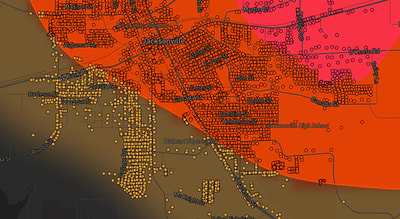
See exactly what you get.
Explore the full Springdale, AR Strike Map free – hail track, address overlay, and CSV download. No account required.
Try the Free Demo →