Van Horn, TX Hail Storm – June 2026
June 25, 2026 hail storm near Van Horn, TX. Radar-confirmed hail track and contractor lead lists available.
Max Hail
2"1.44" est.
confirmed
Zones
8
NWS alerts
Radar
295
dual-pol hits
Spotter
–
field reports
NWS WARNING AREA · Van Horn Metro · Jun 25, 2026
Intelligence Platform
StormSnipe Pro
$49/ mo
Cancel anytime · No contracts
›All 50 states
›No zone limits
›No per-event fees
Subscribe to Pro
Pro renews monthly until canceled · Cancel anytime in the billing portal
What's included
Instant delivery
Every storm published within hours of NOAA confirmation.
Interactive Strike Map
Full radar-confirmed hail track on an interactive map.
Address CSV export
Every affected residential address, export-ready.
Smart alerts
Notified when a storm hits your area. Set zones once.
Nationwide coverage
All 50 states. No zone restrictions. No geographic caps.
Live pipeline
NOAA NEXRAD processed and delivered 24/7.
Address data notice
Pro coverage in California, Vermont, and Oregon includes the confirmed hail track and Strike Map only — no address lists. State data-privacy law treats compiled address lists differently in those three states, so we exclude their addresses from extraction and delivery.
NWS WARNING AREAS · 8
This storm generated 8 NWS alert zones. Pro access covers the complete storm track and all addresses across every zone.
ZONE 1NWS TXC109
Van Horn, TX
Dual-Pol Radar
23 addresses in warning area
Alert issued Thu, Jun 25 · 9:46 PM UTC
2"
confirmed
1.44"
est. (NWS)
ZONE 2NWS TXC109
Pecos, TX
Dual-Pol Radar
91 addresses in warning area
Alert issued Thu, Jun 25 · 10:19 PM UTC
1.53"
confirmed
1.07"
est. (NWS)
ZONE 3NWS TXC243
Fort Stockton, TX
Dual-Pol Radar
21 addresses in warning area
Alert issued Fri, Jun 26 · 12:17 AM UTC
1.56"
confirmed
0.88"
est. (NWS)
ZONE 4NWS NMC025
Andrews, TX
Dual-Pol Radar
402 addresses in warning area
Alert issued Fri, Jun 26 · 12:24 AM UTC
1"
confirmed
0.88"
est. (NWS)
ZONE 5NWS TXC115
Seagraves, TX
Dual-Pol Radar
615 addresses in warning area
Alert issued Fri, Jun 26 · 1:18 AM UTC
2.25"
confirmed
1"
est. (NWS)
ZONE 6NWS TXC445
Brownfield, TX
Dual-Pol Radar
12 addresses in warning area
Alert issued Fri, Jun 26 · 1:23 AM UTC
1.5"
confirmed
1.38"
est. (NWS)
ZONE 7NWS TXC115
Lamesa, TX
Dual-Pol Radar
1 addresses in warning area
Alert issued Fri, Jun 26 · 2:14 AM UTC
0.74"
confirmed
1"
est. (NWS)
ZONE 8NWS TXC305
Tahoka, TX
Dual-Pol Radar
39 addresses in warning area
Alert issued Fri, Jun 26 · 2:18 AM UTC
1.75"
confirmed
1"
est. (NWS)
Van Horn, Texas experienced a multi-alert hail event on June 25, 2026, with peak stones reaching 1.84 inches in diameter. The storm produced a sequence of NWS warnings and radar-detected hail signatures across the Van Horn metro area.
What Happened
The event unfolded late afternoon into early evening on June 25. Eight NWS alerts were issued for the Van Horn area between 4:46 PM CDT and 9:18 PM CDT. Key alert observations:
- 4:46 PM CDT – 1.44-inch hail – dual-polarization radar (NEXRAD hail detection).
- 5:19 PM CDT – 1.07-inch hail – dual-polarization radar (NEXRAD hail detection).
- 7:17 PM CDT – 0.88-inch hail – NWS warning only.
- 7:24 PM CDT – 0.88-inch hail – NWS warning only.
- 8:18 PM CDT – 1.00-inch hail – dual-polarization radar (NEXRAD hail detection).
- 8:23 PM CDT – 1.38-inch hail – dual-polarization radar (NEXRAD hail detection).
- 9:14 PM CDT – 1.00-inch hail – NWS warning only.
- 9:18 PM CDT – 1.00-inch hail – NWS warning only.
Several alerts include radar-detected hail signatures using dual-polarization NEXRAD. Other alerts were issued as NWS warnings without a coincident radar hail detection note. The alert sequence shows repeated storm redevelopment and movement across the local warning area over roughly five hours. The storm is concluded.
Damage Assessment
Radar and warning-area reports show hail sizes reported in alerts ranged from 0.88 to 1.44 inches during the sequence, with a peak measurement of 1.84 inches recorded for the event. Stones at or above one inch commonly produce denting to vehicle metal panels and pitting on unprotected glass in this region. In Van Horn, expect concentrated vehicle damage along the primary road corridors active during the early evening hours and more widespread roof impact on structures with older asphalt shingles.
At 1.5 inches and larger, asphalt shingle damage increases, with cracked or split tabs possible on roofs exposed to prolonged hail fall. Skylights, exposed HVAC condensers, and soft-metal trim are at elevated risk where hail fell at the larger measured sizes. No field reports of widespread structural collapse were recorded in the available data set.
What Contractors Should Know
Inspect roofs first in zones that intersect the NWS warning area and along the radar-derived hail track. Document shingle granule loss, broken tabs, and local dents to metal flashing. Photograph vehicle panels and glass where present and tag observations with approximate street coordinates. Prioritize homes with older three-tab shingles and commercial buildings with membrane roofs on south-facing exposures.
Apply temporary tarp work only after assessing underlying decking for fracture or saturated insulation. For auto claims, record paint transfer, indentation patterns, and windshield chips. Schedule follow-up inspections within 48 to 72 hours to verify progression of leaks or window failures. Maintain detailed logs tied to addresses within the NWS warning area for claims and municipal permitting.
Storm Details
- Start Date
- Thursday, June 25, 2026
- Last Activity
- Thursday, June 25, 2026
- Location
- Van Horn, TX
- Warning Areas
- 8
- Dual-Pol Radar
- 295
- Spotter Reports
- --
Preview Strike Map
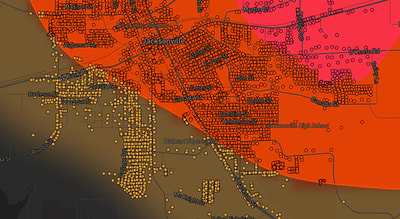
See exactly what you get.
Explore the full Springdale, AR Strike Map free – hail track, address overlay, and CSV download. No account required.
Try the Free Demo →