Balmorhea, TX Hail Storm – June 2026
June 26, 2026 hail storm near Balmorhea, TX. Radar-confirmed hail track and contractor lead lists available.
Max Hail
1.15"1.28" est.
confirmed
Zones
2
NWS alerts
Radar
8
dual-pol hits
Spotter
–
field reports
NWS WARNING AREA · Balmorhea Metro · Jun 26, 2026
Intelligence Platform
StormSnipe Pro
$49/ mo
Cancel anytime · No contracts
›All 50 states
›No zone limits
›No per-event fees
Subscribe to Pro
Pro renews monthly until canceled · Cancel anytime in the billing portal
What's included
Instant delivery
Every storm published within hours of NOAA confirmation.
Interactive Strike Map
Full radar-confirmed hail track on an interactive map.
Address CSV export
Every affected residential address, export-ready.
Smart alerts
Notified when a storm hits your area. Set zones once.
Nationwide coverage
All 50 states. No zone restrictions. No geographic caps.
Live pipeline
NOAA NEXRAD processed and delivered 24/7.
Address data notice
Pro coverage in California, Vermont, and Oregon includes the confirmed hail track and Strike Map only — no address lists. State data-privacy law treats compiled address lists differently in those three states, so we exclude their addresses from extraction and delivery.
NWS WARNING AREAS · 2
This storm generated 2 NWS alert zones. Pro access covers the complete storm track and all addresses across every zone.
ZONE 1NWS TXC109
Balmorhea, TX
Dual-Pol Radar
19 addresses in warning area
Alert issued Fri, Jun 26 · 9:55 PM UTC
1.5"
confirmed
1.07"
est. (NWS)
ZONE 2NWS TXC371
Pecos, TX
Dual-Pol Radar
6 addresses in warning area
Alert issued Fri, Jun 26 · 11:24 PM UTC
1.5"
confirmed
1.28"
est. (NWS)
Balmorhea, TX – June 26, 2026: A thunderstorm produced hail up to 1.15 inches in diameter during late afternoon into early evening. The event moved through the Balmorhea metro area and concluded the same evening.
What Happened
The storm developed in the late afternoon and produced two notable radar-detected hail signatures during its lifecycle. At 4:55 PM CDT NEXRAD dual-polarization data indicated hail near 1.07 inches. A later radar detection at 6:24 PM CDT showed a larger return near 1.28 inches. Both detections triggered NWS severe thunderstorm alerts covering multiple adjacent zones within the Balmorhea warning area. This report aggregates those alerts for the metro area. Storm activity ended in the early evening and no active warnings remained after the final detection.
Damage Assessment
Hail reached sizes consistent with denting of unprotected vehicles and damage to vulnerable exterior surfaces. At this diameter, expect localized cosmetic and functional impacts to automotive sheet metal and to soft or aged roofing materials. Skylights, exposed HVAC equipment, and outdoor mechanical enclosures are at elevated risk for cracking or dents when struck directly. Solar modules with pre-existing microcracks or loose mounting hardware are also more susceptible to performance loss from impacts of this size.
Field verification is limited to radar-derived signatures for this aggregate report. Property owners in the affected Balmorhea zones should prioritize photographic documentation of visible dents, cracked glazing, missing shingle granules, and displaced roofing components before any cleanup or repairs.
What Contractors Should Know
Conduct a rapid visual survey once conditions allow. Photograph vehicle panels, roof fields, skylights, and external equipment with time-stamped images. Mark exact addresses and GPS coordinates on records. Prioritize temporary covers for compromised roofing, tarping over exposed sheathing, and securing loose panels to prevent water entry during the next rainfall.
For roofing scopes, inspect for granule loss, cracked or split shingles, and compromised flashing. Use roof anchors and fall protection; hail-damaged surfaces can be slick. For solar and mechanical trades, verify microfractures and junction box integrity before restoring service. Deliver quotes that separate emergency stabilization from permanent replacement and include dated photo evidence aligned to the inspection time.
Precise radar-derived hail track data is available in the Strike Map.
Storm Details
- Start Date
- Friday, June 26, 2026
- Last Activity
- Friday, June 26, 2026
- Location
- Balmorhea, TX
- Warning Areas
- 2
- Dual-Pol Radar
- 8
- Spotter Reports
- --
Preview Strike Map
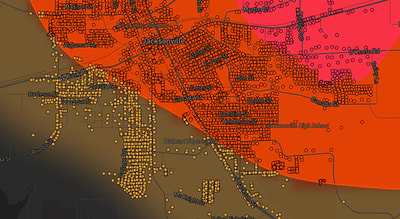
See exactly what you get.
Explore the full Springdale, AR Strike Map free – hail track, address overlay, and CSV download. No account required.
Try the Free Demo →