Delmar, IA Hail Storm – June 2026
June 28, 2026 hail storm near Delmar, IA. Radar-confirmed hail track and contractor lead lists available.
Max Hail
2"1.74" est.
confirmed
Zones
2
NWS alerts
Radar
376
dual-pol hits
Spotter
–
field reports
NWS WARNING AREA · Delmar Metro · Jun 28, 2026
Intelligence Platform
StormSnipe Pro
$49/ mo
Cancel anytime · No contracts
›All 50 states
›No zone limits
›No per-event fees
Subscribe to Pro
Billed monthly · Cancel anytime
What's included
Instant delivery
Every storm published within hours of NOAA confirmation.
Interactive Strike Map
Full radar-confirmed hail track on an interactive map.
Address CSV export
Every affected residential address, export-ready.
Smart alerts
Notified when a storm hits your area. Set zones once.
Nationwide coverage
All 50 states. No zone restrictions. No geographic caps.
Live pipeline
NOAA NEXRAD processed and delivered 24/7.
NWS WARNING AREAS · 2
This storm generated 2 NWS alert zones. Pro access covers the complete storm track and all addresses across every zone.
ZONE 1NWS IAC045
Delmar, IA
Dual-Pol Radar
1,625 addresses in warning area
Alert issued Sun, Jun 28 · 6:29 PM UTC
2"
confirmed
1.54"
est. (NWS)
ZONE 2NWS ILC015
Clinton, IA
Dual-Pol Radar
83 addresses in warning area
Alert issued Sun, Jun 28 · 7:07 PM UTC
2"
confirmed
1.74"
est. (NWS)
A hail-producing storm moved through Delmar, Iowa on June 28, 2026, producing 2-inch stones and concentrated surface impacts in the late afternoon.
What Happened
Dual-polarization radar detected significant hail signatures inside the NWS warning area during the late afternoon. Radar returns flagged 1.54-inch hail at 1:29 PM CDT and a stronger radar-detected core at 2:07 PM CDT. Two independent spotters in Delmar reported several 1–2 inch hailstones at 2:08 PM CDT. A third observer submitted a dime-sized hail report via mPING at 2:24 PM CDT.
The sequence shows an intensifying hail core as the storm approached Delmar, with radar detections preceding and overlapping the spotter observations. The NWS issued warning coverage that encompassed the storm path through the town during this period. Field observations and radar returns both indicate the most concentrated impacts occurred in and immediately around Delmar between roughly 1:30 PM and 2:30 PM CDT.
Damage Assessment
Local storm reports recorded multiple, spotter-verified occurrences of 1–2 inch hail in Delmar at 2:08 PM CDT. The reports did not include widespread structural collapse or large-scale infrastructure failures in the immediate locality. A later mPING submission at 2:24 PM CDT noted dime-size hail in a nearby location, indicating the hail field varied over short distances.
Roadside and spotter accounts described intact but battered vegetation and clustered ice on lawns where observers recorded the larger stones. No official Local Storm Report recorded catastrophic building failures or utility outages tied to this event in Delmar. Where 1–2 inch hail was reported, expect localized cosmetic damage to vehicle paint, denting on unprotected metal surfaces, and granular loss on roof coverings in the immediate strike locations cited by spotters.
What Contractors Should Know
Prioritize inspections for properties located within the Delmar NWS warning area and along the reported path between 1:30 PM and 2:30 PM CDT. Start with a photo log of vehicle panels, HVAC units, and roof fields before any disturbance. Focus roof edges, valleys, and south- and west-facing elevations where hail impact and granule loss concentrate. On vehicles, look for shallow, rounded dents consistent with 1–2 inch stones and document paint cracking or clear coat loss.
For roofing crews, perform a hands-off aerial assessment if conditions and regulations allow. Follow with a close-up ground inspection for shingle bruising, granule accumulation in gutters, and cracked flashings. Pay attention to areas reported by spotters in Delmar at 2:08 PM CDT. Triage work by damage severity and by client exposure to water intrusion; prioritize intact-but-compromised materials that can fail with the next precipitation event.
Keep records tied to the specific observation times and locations. Use spotter times and the local radar timestamps when filing estimates or insurance documentation. For contractors requiring the precise hail track and the mapped damage zone for Delmar, consult the paid Strike Map product.
Storm Details
- Start Date
- Sunday, June 28, 2026
- Last Activity
- Sunday, June 28, 2026
- Location
- Delmar, IA
- Warning Areas
- 2
- Dual-Pol Radar
- 376
- Spotter Reports
- --
Preview Strike Map
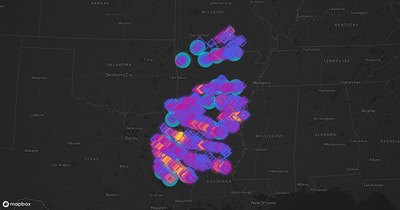
See exactly what you get.
Explore the full Springdale, AR Strike Map free – hail track, address overlay, and CSV download. No account required.
Try the Free Demo →