Augusta, ME Hail Storm – June 2026
June 28, 2026 hail storm near Augusta, ME. Radar-confirmed hail track and contractor lead lists available.
Max Hail
0.97"1" est.
confirmed
Zones
1
NWS alerts
Radar
17
dual-pol hits
Spotter
–
field reports
NWS WARNING AREA · Augusta Metro · Jun 28, 2026
Intelligence Platform
StormSnipe Pro
$49/ mo
Cancel anytime · No contracts
›All 50 states
›No zone limits
›No per-event fees
Subscribe to Pro
Billed monthly · Cancel anytime
What's included
Instant delivery
Every storm published within hours of NOAA confirmation.
Interactive Strike Map
Full radar-confirmed hail track on an interactive map.
Address CSV export
Every affected residential address, export-ready.
Smart alerts
Notified when a storm hits your area. Set zones once.
Nationwide coverage
All 50 states. No zone restrictions. No geographic caps.
Live pipeline
NOAA NEXRAD processed and delivered 24/7.
NWS WARNING AREA
NWS MEC011
Augusta, ME
Dual-Pol Radar
1,241 addresses in warning area
Alert issued Sun, Jun 28 · 9:21 PM UTC
1"
confirmed
1"
est. (NWS)
A hail storm tracked through Augusta, Maine, late afternoon on June 28, 2026, producing 1-inch stones and prompting an NWS warning at 5:21 PM EDT. The event was spotter-verified and exercised a short-lived radar hail signature across the Augusta metro.
What Happened
An NWS severe thunderstorm warning for 1-inch hail was issued at 5:21 PM EDT for the Augusta metro. Radar scans showed a distinct hail signature moving northeast through the city during the late-afternoon convective pulse. A spotter-verified field observation tied to a public Facebook post arrived at 5:36 PM EDT and described stones ranging from roughly dime to quarter size, with the time estimated by radar. The storm cell weakened within 30 to 45 minutes after the warning and is listed as concluded.
Damage Assessment
Field observers photographed hail accumulating on pavement and vehicle surfaces in the Augusta metro. The spotter-verified Facebook submission included multiple images of stones on car hoods and sidewalks. No spotter report in the submitted field data documented roof failure, siding loss, or other structural collapse attributable to this event. Local observations indicate concentrated deposition near the area captured in the posted images rather than a broad swath of continuous damage.
Where quarter-size stones were visible in the photos, expect small dents in soft metal panels and surface abrasions to exposed vinyl and rubber components. Dime-size stones in the same images were unlikely to produce through-the-roof breaches on asphalt shingles but can strip granules and accelerate wear on older roofing. Photographs show wet surfaces and localized pooling directly beneath photographed cars, consistent with brief heavy precipitation coincident with the hail pulse.
What Contractors Should Know
Inspect vehicles and exterior equipment first. Photographs from the spotter post show hail on car hoods and windshields in the immediate area. Start with a drive-by to document visible dents, cracked glass, and dent patterns on metal panels. Photograph items from multiple angles and include a time-stamped reference in images. Note the 5:36 PM EDT timestamp from the spotter observation when documenting initial conditions.
For roofing crews, prioritize older roofs and the windward sides of structures within the photographed area. Quarter-size stones can remove shingle granules and create isolated impact marks that are not always visible from ground level. Use a binocular or drone inspection where safe and permitted. Avoid walking soft or recently wet shingles unless the roof is rated for that work; rely on non-invasive imaging first and follow with a targeted, hands-on inspection if necessary.
Check mechanical equipment and exposed finishes. Air-conditioning condenser fins, vehicle AC condensers, and aluminum gutters are susceptible to small dents from quarter-size hail. Look for fin damage, bent metal, and concentrated dings on horizontal surfaces. Document all findings with scale references and location notes tied to the Augusta metro neighborhoods photographed in the field report.
Storm Details
- Start Date
- Sunday, June 28, 2026
- Last Activity
- Sunday, June 28, 2026
- Location
- Augusta, ME
- Warning Areas
- 1
- Dual-Pol Radar
- 17
- Spotter Reports
- --
Preview Strike Map
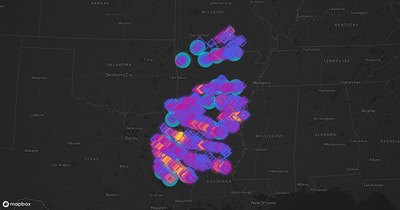
See exactly what you get.
Explore the full Springdale, AR Strike Map free – hail track, address overlay, and CSV download. No account required.
Try the Free Demo →