Fort Stockton, TX Hail Storm – June 2026
June 28, 2026 hail storm near Fort Stockton, TX. Radar-confirmed hail track and contractor lead lists available.
Max Hail
3.25"2.45" est.
confirmed
Zones
5
NWS alerts
Radar
1,336
dual-pol hits
Spotter
–
field reports
NWS WARNING AREA · Fort Stockton Metro · Jun 28, 2026
Intelligence Platform
StormSnipe Pro
$49/ mo
Cancel anytime · No contracts
›All 50 states
›No zone limits
›No per-event fees
Subscribe to Pro
Pro renews monthly until canceled · Cancel anytime in the billing portal
What's included
Instant delivery
Every storm published within hours of NOAA confirmation.
Interactive Strike Map
Full radar-confirmed hail track on an interactive map.
Address CSV export
Every affected residential address, export-ready.
Smart alerts
Notified when a storm hits your area. Set zones once.
Nationwide coverage
All 50 states. No zone restrictions. No geographic caps.
Live pipeline
NOAA NEXRAD processed and delivered 24/7.
Address data notice
Pro coverage in California, Vermont, and Oregon includes the confirmed hail track and Strike Map only — no address lists. State data-privacy law treats compiled address lists differently in those three states, so we exclude their addresses from extraction and delivery.
NWS WARNING AREAS · 5
This storm generated 5 NWS alert zones. Pro access covers the complete storm track and all addresses across every zone.
ZONE 1NWS TXC043
Fort Stockton, TX
Dual-Pol Radar
59 addresses in warning area
Alert issued Sun, Jun 28 · 10:57 PM UTC
2.2"
confirmed
1.64"
est. (NWS)
ZONE 2NWS TXC103
Monahans, TX
Dual-Pol Radar
60 addresses in warning area
Alert issued Sun, Jun 28 · 11:46 PM UTC
3.25"
confirmed
2.2"
est. (NWS)
ZONE 3NWS TXC371
Coyanosa, TX
Dual-Pol Radar
3 addresses in warning area
Alert issued Sun, Jun 28 · 11:51 PM UTC
3.25"
confirmed
2.45"
est. (NWS)
ZONE 4NWS TXC043
Marathon, TX
Dual-Pol Radar
5 addresses in warning area
Alert issued Mon, Jun 29 · 12:26 AM UTC
1.71"
confirmed
1.52"
est. (NWS)
ZONE 5NWS TXC003
Seminole, TX
Dual-Pol Radar
340 addresses in warning area
Alert issued Mon, Jun 29 · 1:29 AM UTC
1.75"
confirmed
0.88"
est. (NWS)
Fort Stockton, Texas experienced a concluded severe hail event on June 28, 2026, producing radar-detected hail up to 2.72 inches during an early evening multi-alert sequence. The storm generated five NWS alerts over a three-hour span and produced a measurable hail track across the metro.
What Happened
The storm developed late afternoon and produced its strongest radar signatures in the early evening. NWS issued five alerts tied to the system. Four alerts were based on dual-polarization NEXRAD radar hail detection. One alert was an NWS warning-only notification.
Alert timeline (local times):
- June 28 · 5:57 PM CDT (22:57 UTC) – 1.64-inch hail – radar-detected by dual-polarization NEXRAD.
- June 28 · 6:46 PM CDT (23:46 UTC) – 2.20-inch hail – radar-detected by dual-polarization NEXRAD.
- June 28 · 6:51 PM CDT (23:51 UTC) – 2.45-inch hail – radar-detected by dual-polarization NEXRAD.
- June 28 · 7:26 PM CDT (00:26 UTC) – 1.52-inch hail – radar-detected by dual-polarization NEXRAD.
- June 28 · 8:29 PM CDT (01:29 UTC) – 0.88-inch hail – NWS warning only within the warning area.
Peak radar returns occurred between 6:46 PM and 6:51 PM CDT. The sequence represents a concentrated period of large-hail potential within the Fort Stockton metro before the storm weakened and concluded after 8:29 PM CDT.
Damage Assessment
Hail sizes during the event ranged from roughly 0.88 inch to 2.72 inches across the mapped track. Hail near or above 2.5 inches is capable of penetrating asphalt shingles, breaking skylights and solar panels, and causing severe dents to vehicle bodywork. For this event, properties exposed during the 6:46 PM–6:51 PM window face the highest risk of such damage.
Smaller hail near 0.88 inch typically produces cosmetic damage to siding, paint, and soft metal on vehicles. Shingle granule loss, cracked gutters, and scuffed exterior finishes are likely where radar-detected returns were sustained later in the evening. Roof systems with existing granular loss or loose flashing are especially vulnerable to accelerated failure following impacts of this size.
What Contractors Should Know
Prioritize inspections for addresses that were within the Fort Stockton metro during the early evening peak. Start with visible roof damage indicators: missing or broken shingles, concentrated granule loss, damaged flashing, and punctured vents or skylights. Photograph damage from multiple angles and include timestamps. For vehicles, document dent patterns and cracked glass. Use the radar timing window of 6:46 PM–6:51 PM CDT to sequence claims and allocate crews.
Establish triage-based workflows. Tarp and temporary repairs should focus on structures with compromised roof coverings to prevent water intrusion. Estimate replacement needs against remaining roof life rather than hail size alone. Coordinate with adjusters and recommend targeted core samples or lift-and-look inspections where roof age exceeds 10 years.
Storm Details
- Start Date
- Sunday, June 28, 2026
- Last Activity
- Sunday, June 28, 2026
- Location
- Fort Stockton, TX
- Warning Areas
- 5
- Dual-Pol Radar
- 1,336
- Spotter Reports
- --
Preview Strike Map
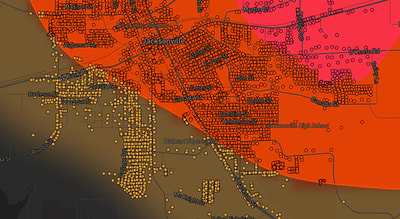
See exactly what you get.
Explore the full Springdale, AR Strike Map free – hail track, address overlay, and CSV download. No account required.
Try the Free Demo →