Glade Spring, VA Hail Storm – July 2026
July 4, 2026 hail storm near Glade Spring, VA. Radar-confirmed hail track and contractor lead lists available.
Max Hail
1.07"0.75" est.
confirmed
Zones
7
NWS alerts
Radar
2
dual-pol hits
Spotter
2
field reports
NWS WARNING AREA · Glade Spring Metro · Jul 4, 2026
Intelligence Platform
StormSnipe Pro
$49/ mo
Cancel anytime · No contracts
›All 50 states
›No zone limits
›No per-event fees
Subscribe to Pro
Billed monthly · Cancel anytime
What's included
Instant delivery
Every storm published within hours of NOAA confirmation.
Interactive Strike Map
Full radar-confirmed hail track on an interactive map.
Address CSV export
Every affected residential address, export-ready.
Smart alerts
Notified when a storm hits your area. Set zones once.
Nationwide coverage
All 50 states. No zone restrictions. No geographic caps.
Live pipeline
NOAA NEXRAD processed and delivered 24/7.
NWS WARNING AREAS · 7
This storm generated 7 NWS alert zones. Pro access covers the complete storm track and all addresses across every zone.
ZONE 1NWS NCC171
Dobson, NC
Dual-Pol Radar
502 addresses in warning area
Alert issued Sat, Jul 4 · 9:54 PM UTC
1"
confirmed
0.75"
est. (NWS)
ZONE 2NWS TNC019
Abingdon, VA
Spotter Reported
Alert issued Sun, Jul 5 · 2:35 AM UTC
0.75"
confirmed
0.75"
est. (NWS)
ZONE 3NWS TNC019
Elizabethton, TN
Dual-Pol Radar
2,263 addresses in warning area
Alert issued Sun, Jul 5 · 3:05 AM UTC
1.07"
confirmed
0.75"
est. (NWS)
ZONE 4NWS TNC091
Glade Spring, VA
Spotter Reported
215 addresses in warning area
Alert issued Sun, Jul 5 · 3:07 AM UTC
0.75"
confirmed
0.75"
est. (NWS)
ZONE 5NWS VAC173
Saltville, VA
NWS Warning
Alert issued Sun, Jul 5 · 3:14 AM UTC
0.75"
est. (NWS)
ZONE 6NWS TNC019
Jonesborough, TN
NWS Warning
Alert issued Sun, Jul 5 · 3:25 AM UTC
0.75"
est. (NWS)
ZONE 7NWS VAC021
Tazewell, VA
NWS Warning
Alert issued Sun, Jul 5 · 4:06 AM UTC
0.75"
est. (NWS)
A hail-producing storm tracked through the Glade Spring, Virginia area on July 4, 2026, producing radar-estimated hail up to 1.07 inches and prompting multiple NWS warning areas. The system produced spotter-verified reports of 1.0-inch and 0.75-inch hail during the evening and late-night hours.
What Happened
NWS issued seven warning areas tied to this storm between 5:54 PM EDT and 12:06 AM EDT. The first warning area began at 5:54 PM EDT and subsequent warnings were issued through 12:06 AM EDT. Dual-polarization NEXRAD hail estimates peaked at 1.07 inches. One NWS warning area included a spotter-reported observation at 11:07 PM EDT.
Radar shows the main hail-producing cells moved generally northeast through the Glade Spring metro corridor in the late afternoon and into the evening. A social media spotter near Mount Airy, North Carolina reported quarter-size hail around 6:30 PM EDT, with the timing estimated from radar. Two local storm reports at 10:57 PM EDT recorded dime-sized hail at separate observations. Those field reports align with the late-evening radar returns in the Glade Spring sector.
The warning area sequence and spotter submissions indicate repeated convective pulses rather than a single long-lived hail core. Several warnings came from NWS without immediate spotter confirmation. The combination of NEXRAD hail estimates and spotter-verified observations establishes the basic timeline and locations for surface impacts.
Damage Assessment
Field reports show scattered surface impacts rather than a continuous damage swath. The Mount Airy social media report at 6:30 PM EDT documented 1.0-inch hail. Two spotter reports at 10:57 PM EDT documented 0.75-inch hail. Those observations correspond to isolated pockets of measurable hail development on radar.
No large-scale structural failures were reported in the submitted field summaries. Photographs and text in the spotter submissions primarily describe roadside and vehicle exposure rather than roof loss or downed large limbs. The spatial pattern in the reports is patchy. Radar-indicated hail echoes were strongest near the reported times and locations, then diminished as cells moved northeast away from the Glade Spring area.
Local infrastructure exposure was limited by the storm timing. The largest spotter report near Mount Airy occurred in the early evening when more vehicles are likely to be on roads. The late-night dime-sized reports coincided with isolated convection across the Glade Spring metro and adjacent rural areas. Use the spotter timestamps to prioritize any field inspections tied to the reported locations.
What Contractors Should Know
Inspect south- and east-facing roof slopes first in the mapped storm corridor. The convective cells moved northeast, so southern and western exposures encountered the strongest cores earlier in the event. Prioritize visual checks for shingle bruising, granular loss, and dented metal flashing in areas near the reported spotter locations and along major travel corridors where vehicles were likely parked at 6:30 PM EDT and 10:57 PM EDT.
Storm Details
- Start Date
- Saturday, July 4, 2026
- Last Activity
- Sunday, July 5, 2026
- Location
- Glade Spring, VA
- Warning Areas
- 7
- Dual-Pol Radar
- 2
- Spotter Reports
- 2
Preview Strike Map
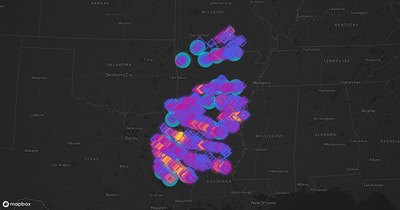
See exactly what you get.
Explore the full Springdale, AR Strike Map free – hail track, address overlay, and CSV download. No account required.
Try the Free Demo →