Lemington, VT Hail Storm – July 2026
July 14, 2026 hail storm near Lemington, VT. Radar-confirmed hail track and contractor lead lists available.
Max Hail
1.25"NWS Est.
Zones
5
NWS alerts
Radar
–
dual-pol hits
Spotter
–
field reports
NWS WARNING AREA · Lemington Metro · Jul 14, 2026
Intelligence Platform
StormSnipe Pro
$49/ mo
Cancel anytime · No contracts
›All 50 states
›No zone limits
›No per-event fees
Subscribe to Pro
Pro renews monthly until canceled · Cancel anytime in the billing portal
What's included
Instant delivery
Every storm published within hours of NOAA confirmation.
Interactive Strike Map
Full radar-confirmed hail track on an interactive map.
Address CSV export
Every affected residential address, export-ready.
Smart alerts
Notified when a storm hits your area. Set zones once.
Nationwide coverage
All 50 states. No zone restrictions. No geographic caps.
Live pipeline
NOAA NEXRAD processed and delivered 24/7.
Address data notice
Pro coverage in California, Vermont, and Oregon includes the confirmed hail track and Strike Map only — no address lists. State data-privacy law treats compiled address lists differently in those three states, so we exclude their addresses from extraction and delivery.
NWS WARNING AREAS · 5
This storm generated 5 NWS alert zones. Pro access covers the complete storm track and all addresses across every zone.
ZONE 1NWS VTC009
Lemington, VT
Spotter Reported
Alert issued Tue, Jul 14 · 9:19 PM UTC
1"
confirmed
1"
est. (NWS)
ZONE 2NWS NHC007
Stratford, NH
Spotter Reported
Alert issued Tue, Jul 14 · 9:50 PM UTC
1"
confirmed
1"
est. (NWS)
ZONE 3NWS VTC005
Waterford, VT
Spotter Reported
Alert issued Wed, Jul 15 · 12:05 AM UTC
1.5"
confirmed
1"
est. (NWS)
ZONE 4NWS NHC003
Littleton, NH
Spotter Reported
Alert issued Wed, Jul 15 · 1:20 AM UTC
1.5"
confirmed
1"
est. (NWS)
ZONE 5NWS MEC017
Fryeburg, ME
Spotter Reported
Alert issued Wed, Jul 15 · 1:51 AM UTC
1.25"
confirmed
1.25"
est. (NWS)
A hail-producing storm moved through Lemington, Vermont in the late afternoon of July 14, 2026, producing 1-inch stones and prompting an NWS warning at 5:19 PM EDT. A weather spotter verified hail within town at 5:52 PM EDT as the event concluded.
What Happened
Storm cells intensified over northern Vermont in the late afternoon and the National Weather Service issued a warning for 1-inch hail at 5:19 PM EDT. The warning polygon covered central Lemington. A single ground report followed – a weather spotter inside the town limits verified hail at 5:52 PM EDT. The timing places the verification roughly 33 minutes after the warning issuance.
NWS characterized the alert as NWS warning only. No additional local storm reports were filed for the event. The sequence on July 14 shows a compact hail-producing core passing across the immediate Lemington area during the late-afternoon convective window, with the only on-the-ground confirmation coming from the spotter entry noted above.
Damage Assessment
Field reporting for this event did not include reports of structural damage, broken glass, or injuries. The single spotter entry recorded hail occurrence but made no damage assertions. Local storm report records show no supplemental entries tied to addresses or public infrastructure in Lemington for July 14.
Because reporting is limited to one spotter verification, surface impacts are likely localized near the spotter location within central Lemington. There are no verified reports of damage to municipal assets, and no follow-up observations were logged by emergency services or state crews in the immediate aftermath of the event.
What Contractors Should Know
Prioritize inspections inside the NWS warning area and along the reported path through central Lemington. Begin with visual checks of vehicles parked outdoors and exposed roofing surfaces nearest the spotter-verified location. Note exact addresses, capture timestamped photographs, and include a scale reference in every image to document any denting or granular loss.
For roofing, focus on accessible slopes and eaves for signs of bruising, granular shedding, and split tabs. For siding and external equipment, perform a close visual inspection and functional test where safe to do so. Record the spotter report time in field notes to correlate observed damage with the hail event window.
Refer to the Strike Map for the precise hail track and radar-derived impact points.
Storm Details
- Start Date
- Tuesday, July 14, 2026
- Last Activity
- Tuesday, July 14, 2026
- Location
- Lemington, VT
- Warning Areas
- 5
- Dual-Pol Radar
- --
- Spotter Reports
- --
Preview Strike Map
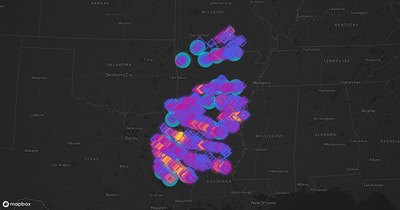
See exactly what you get.
Explore the full Springdale, AR Strike Map free – hail track, address overlay, and CSV download. No account required.
Try the Free Demo →