Ridgely, TN Hail Storm – July 2026
July 18, 2026 hail storm near Ridgely, TN. Radar-confirmed hail track and contractor lead lists available.
Max Hail
1.34"1.34" est.
confirmed
Zones
1
NWS alerts
Radar
3
dual-pol hits
Spotter
–
field reports
NWS WARNING AREA · Ridgely Metro · Jul 19, 2026
Intelligence Platform
StormSnipe Pro
$49/ mo
Cancel anytime · No contracts
›All 50 states
›No zone limits
›No per-event fees
Subscribe to Pro
Pro renews monthly until canceled · Cancel anytime in the billing portal
What's included
Instant delivery
Every storm published within hours of NOAA confirmation.
Interactive Strike Map
Full radar-confirmed hail track on an interactive map.
Address CSV export
Every affected residential address, export-ready.
Smart alerts
Notified when a storm hits your area. Set zones once.
Nationwide coverage
All 50 states. No zone restrictions. No geographic caps.
Live pipeline
NOAA NEXRAD processed and delivered 24/7.
Address data notice
Pro coverage in California, Vermont, and Oregon includes the confirmed hail track and Strike Map only — no address lists. State data-privacy law treats compiled address lists differently in those three states, so we exclude their addresses from extraction and delivery.
NWS WARNING AREA
NWS MOC155
Ridgely, TN
Dual-Pol Radar
Alert issued Sun, Jul 19 · 12:42 AM UTC
1.34"
confirmed
1.34"
est. (NWS)
Ridgely, TN experienced radar-detected hail on July 18, 2026, with a peak diameter of 1.34 inches. The single-zone event produced one NWS severe thunderstorm warning and has concluded.
What Happened
A severe thunderstorm produced hail across the Ridgely, TN area in the late evening of July 18. The National Weather Service issued one severe thunderstorm warning at 7:42 PM CDT that identified 1.34-inch hail by dual-polarization NEXRAD hail detection. The warning area covered the municipal footprint for Ridgely and adjacent unincorporated parcels. Radar returns showed a concentrated hail core moving northeast through the city before weakening and dissipating, and no further warnings were issued for this storm.
Damage Assessment
Hail of this diameter commonly causes vehicle panel denting and concentrated loss of asphalt shingle granules on exposed roof slopes. Expect localized damage to older or marginal roofing materials, aluminum trim, and soft metal components such as guttering and soffit. Vinyl siding may show impact marks where hail struck directly, and skylights or polycarbonate coverings can crack under direct hits.
Damage patterns typically appear in swaths where hail was most intense. Inspect roofs for missing granules, split or curled shingle tabs, and bruising along ridge caps. Parked vehicles in exposed lots or driveways are the most likely to show rounded dents on horizontal surfaces; check hoods, trunks, and roof panels. Photographs with a ruler or coin for scale will document impact size and distribution for insurance and repair estimates.
What Contractors Should Know
Prioritize safety and a documented approach. Use harnesses, anchor points, and two-person teams when accessing roofs. Begin exterior assessments at low-risk entry points and move systematically across the property, recording GPS coordinates or clear address markers for each observed damage cluster. Take high-resolution photos from multiple angles and include a scale reference. Note roof slope, shingle age, and visible underlayment exposure when estimating repair scope.
For repair planning, expect localized patching or partial re-roofing where granule loss and bruising are concentrated. Replacement material estimates should account for potential secondary issues such as compromised flashing and bent fasteners. For vehicles, coordinate with certified auto body shops for paintless dent repair assessments where appropriate. Provide clients with clear scopes of work, prioritized by immediate leak risk and structural exposure. A follow-up inspection after any temporary repairs is recommended within 48 to 72 hours.
A paid Strike Map provides the precise hail track and damage zone for Ridgely, including mapped radar detections and strike points for contractor planning.
Storm Details
- Start Date
- Saturday, July 18, 2026
- Last Activity
- Saturday, July 18, 2026
- Location
- Ridgely, TN
- Warning Areas
- 1
- Dual-Pol Radar
- 3
- Spotter Reports
- --
Preview Strike Map
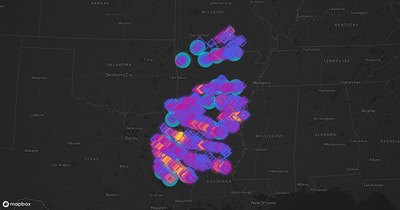
See exactly what you get.
Explore the full Springdale, AR Strike Map free – hail track, address overlay, and CSV download. No account required.
Try the Free Demo →