Leupp, AZ Hail Storm – July 2026
July 29, 2026 hail storm near Leupp, AZ. Radar-confirmed hail track and contractor lead lists available.
Max Hail
1.87"1.63" est.
confirmed
Zones
2
NWS alerts
Radar
164
dual-pol hits
Spotter
1
field reports
NWS WARNING AREA · Leupp Metro · Jul 29, 2026
Intelligence Platform
StormSnipe Pro
$49/ mo
Cancel anytime · No contracts
›All 50 states
›No zone limits
›No per-event fees
Subscribe to Pro
Pro renews monthly until canceled · Cancel anytime in the billing portal
What's included
Instant delivery
Every storm published within hours of NOAA confirmation.
Interactive Strike Map
Full radar-confirmed hail track on an interactive map.
Address CSV export
Every affected residential address, export-ready.
Smart alerts
Notified when a storm hits your area. Set zones once.
Nationwide coverage
All 50 states. No zone restrictions. No geographic caps.
Live pipeline
NOAA NEXRAD processed and delivered 24/7.
Address data notice
Pro coverage in California, Vermont, and Oregon includes the confirmed hail track and Strike Map only — no address lists. State data-privacy law treats compiled address lists differently in those three states, so we exclude their addresses from extraction and delivery.
NWS WARNING AREAS · 2
This storm generated 2 NWS alert zones. Pro access covers the complete storm track and all addresses across every zone.
ZONE 1NWS AZC005
Leupp, AZ
Dual-Pol Radar
Alert issued Wed, Jul 29 · 11:22 PM UTC
1.75"
confirmed
1.63"
est. (NWS)
ZONE 2NWS AZC005
Flagstaff, AZ
Dual-Pol Radar
Alert issued Wed, Jul 29 · 11:33 PM UTC
2.25"
confirmed
1.26"
est. (NWS)
Leupp, AZ, late afternoon July 29, 2026. A concluded storm produced radar-detected hail peaking at 1.87 inches across the NWS warning area.
What Happened
The event moved through the Leupp area in the late afternoon and prompted two sequential NWS alerts. At 4:22 PM MST (23:22 UTC) a dual-polarization radar detection indicated hail near 1.63 inches within the warning area. At 4:33 PM MST (23:33 UTC) a second radar-derived signature registered hail near 1.26 inches inside the same multi-zone alert footprint. Radar returns showed coherent hail signatures across the warning polygon; no active warnings remained after the late-afternoon period and the storm is concluded.
Damage Assessment
Radar detections during the event indicate hail sizes capable of producing vehicle panel dents, cracked skylight glazing, and localized shingle damage. Hail in the 1.25–2.00 inch range is frequently associated with broken glazing on unprotected windows and impact damage to standard asphalt shingles. In Leupp, exposures most at risk included parked vehicles, exposed HVAC and irrigation equipment, and structures with older or unreinforced roofing materials.
No ground-verified damage reports are included in this aggregate page. Field verification will determine whether observed impacts align with the radar-derived hail signatures and the NWS warning area. Photographic documentation, timestamps, and location references will be necessary to correlate any property damage to the storm track shown by radar.
What Contractors Should Know
Prioritize a rapid exterior inspection for denting and glazing failure. Check vehicle panels, roof coverings, skylights, siding, and exposed mechanical equipment first. Photograph all damage with location and time references. If roofing granule loss, fractured shingles, or penetrations are found, secure the site with temporary tarps and document the condition before any permanent repair work begins.
Estimate repairs based on inspected damage rather than radar sizes alone. For roofing, plan for localized shingle replacement where hail produced punctures or fractures; consider impact-resistant materials where multiple panels are compromised. For glass and skylights, verify frame integrity before replacement. Follow standard safety protocols when working on roofs and around damaged glazing. Coordinate with property owners on insurance documentation and provide itemized repair estimates tied to photographed damage.
Purchase the Strike Map for precise hail track mapping and the official damage zone for this event.
Storm Details
- Start Date
- Wednesday, July 29, 2026
- Last Activity
- Wednesday, July 29, 2026
- Location
- Leupp, AZ
- Warning Areas
- 2
- Dual-Pol Radar
- 164
- Spotter Reports
- 1
Preview Strike Map
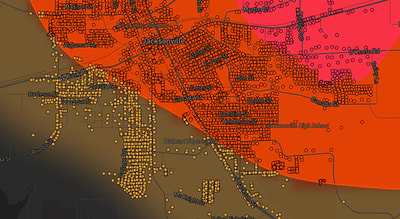
See exactly what you get.
Explore the full Springdale, AR Strike Map free – hail track, address overlay, and CSV download. No account required.
Try the Free Demo →