Price, UT Hail Storm – September 2026
September 18, 2026 hail storm near Price, UT. Radar-confirmed hail track and contractor lead lists available.
Max Hail
1.8"1.31" est.
confirmed
Zones
1
NWS alerts
Radar
1,564
dual-pol hits
Spotter
–
field reports
NWS WARNING AREA · Price Metro · Sep 18, 2026
Intelligence Platform
StormSnipe Pro
$49/ mo
Cancel anytime · No contracts
›All 50 states
›No zone limits
›No per-event fees
Subscribe to Pro
Pro renews monthly until canceled · Cancel anytime in the billing portal
What's included
Instant delivery
Every storm published within hours of NOAA confirmation.
Interactive Strike Map
Full radar-confirmed hail track on an interactive map.
Address CSV export
Every affected residential address, export-ready.
Smart alerts
Notified when a storm hits your area. Set zones once.
Nationwide coverage
All 50 states. No zone restrictions. No geographic caps.
Live pipeline
NOAA NEXRAD processed and delivered 24/7.
Address data notice
Pro coverage in California, Vermont, and Oregon includes the confirmed hail track and Strike Map only — no address lists. State data-privacy law treats compiled address lists differently in those three states, so we exclude their addresses from extraction and delivery.
NWS WARNING AREA
NWS UTC007
Price, UT
Dual-Pol Radar
32 addresses in warning area
Alert issued Fri, Sep 18 · 1:35 PM UTC
1.8"
confirmed
1.31"
est. (NWS)
Price, UT — Sept 18, 2026: A mid-morning thunderstorm moved through Price and produced radar-detected hail up to 1.8 inches in diameter, tracked by dual-polarization NEXRAD and prompting one NWS warning area.
What Happened
Storm activity began in the region during the mid-morning hours and concluded before noon local time. The National Weather Service issued a single warning area at 7:35 AM MDT (13:35 UTC) that cited 1.31-inch hail based on dual-polarization radar hail detection. Radar scans showed the strongest core traversing the city from southwest to northeast. The NEXRAD hail detection indicated a concentrated hail swath across Price with peak radar returns centered near the municipal area. No additional NWS warning areas were issued for this storm after the morning alert. Ground reports were limited; available operational data is radar-derived.
Damage Assessment
Hail in the size range near a golf ball (1.75 inches) can cause visible impacts to common roofing and exterior materials. For Price properties, expected damage types include asphalt shingle bruising and granular loss, denting to unprotected metal surfaces and vehicles, cracked or punctured soft materials such as vinyl siding, and potential skylight damage. Gutters, downspouts, and exposed HVAC condensers are at risk of dents. Solar panels may show shatter or microfracture where protective glass is compromised.
Damage severity will vary by roof age, material, and existing wear. Newer, intact architectural shingles tolerate smaller hail better than aged or weathered shingles. Vehicles parked without cover in the storm path are the most frequently affected movable assets in this size range. Documenting damage promptly helps establish timelines for insurance and repair workflows.
What Contractors Should Know
Prioritize safe, measured inspections. Begin with a roof walk or drone survey to identify torn shingles, bruising, and granular loss. Check ridge caps, flashings, skylights, gutters, and HVAC equipment for impact marks. Photograph damage with a clear scale reference and record exact locations by street address. Note roof age and exposure when estimating replacement versus repair. For vehicles and lightweight structures, catalog hail pits and dent patterns with close-up photos and vehicle identification.
Estimate short-term mitigation and full repair separately. Temporary tarping or protective covers may be necessary for compromised roofs and skylights to prevent water intrusion. Provide clients with a concise scope of work, cost options, and expected timelines for material lead times in the Price market. Coordinate inspection reports with insurers and advise clients to secure documentation. The radar-confirmed hail swath is available in the Strike Map product for subscription users.
Storm Details
- Start Date
- Friday, September 18, 2026
- Last Activity
- Friday, September 18, 2026
- Location
- Price, UT
- Warning Areas
- 1
- Dual-Pol Radar
- 1,564
- Spotter Reports
- --
Preview Strike Map
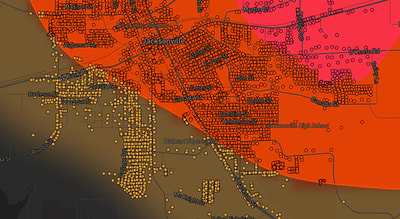
See exactly what you get.
Explore the full Springdale, AR Strike Map free – hail track, address overlay, and CSV download. No account required.
Try the Free Demo →