Watkins, CO Hail Storm – September 2026
September 18, 2026 hail storm near Watkins, CO. Radar-confirmed hail track and contractor lead lists available.
Max Hail
1.28"0" est.
confirmed
Zones
1
NWS alerts
Radar
211
dual-pol hits
Spotter
–
field reports
NWS WARNING AREA · Watkins Metro · Sep 18, 2026
Intelligence Platform
StormSnipe Pro
$49/ mo
Cancel anytime · No contracts
›All 50 states
›No zone limits
›No per-event fees
Subscribe to Pro
Pro renews monthly until canceled · Cancel anytime in the billing portal
What's included
Instant delivery
Every storm published within hours of NOAA confirmation.
Interactive Strike Map
Full radar-confirmed hail track on an interactive map.
Address CSV export
Every affected residential address, export-ready.
Smart alerts
Notified when a storm hits your area. Set zones once.
Nationwide coverage
All 50 states. No zone restrictions. No geographic caps.
Live pipeline
NOAA NEXRAD processed and delivered 24/7.
Address data notice
Pro coverage in California, Vermont, and Oregon includes the confirmed hail track and Strike Map only — no address lists. State data-privacy law treats compiled address lists differently in those three states, so we exclude their addresses from extraction and delivery.
NWS WARNING AREA
NWS COC001
Watkins, CO
Dual-Pol Radar
1,256 addresses in warning area
Alert issued Fri, Sep 18 · 10:47 PM UTC
1.28"
confirmed
0"
est. (NWS)
Watkins, Colorado experienced a brief late-afternoon hail event on September 18, 2026, producing 0.58 inch hail from a short-lived thunderstorm cell. The event concluded within a few hours and prompted a single NWS warning for the area.
What Happened
Late-afternoon convection moved across the eastern Denver metro periphery and produced a single, short-lived thunderstorm cell near Watkins. The National Weather Service issued one severe thunderstorm warning for the Watkins warning area at 4:47 PM MDT (22:47 UTC). The NWS warning was issued as a warning-only alert and did not include a hail observation in the warning text. Storm echoes weakened rapidly and activity had subsided by early evening.
Available incident logs and local reports show small hail deposits but no widespread, sustained hail swath recorded in public warning products. No additional NWS watch or multiple-warning sequence followed. The event footprint remained geographically compact and limited to the immediate Watkins warning area.
Damage Assessment
No spotter-verified structural damage reports or local storm damage surveys were filed for Watkins after this event. Hail under three quarters of an inch typically produces minimal structural damage. For this event, expected impacts are limited to cosmetic effects on vehicles and minor surface damage to vulnerable exterior materials.
Common, localized outcomes for small hail include paint pitting on aluminum and soft metals, loss of factory paint sheen on exposed panels, broken greenhouse glazing, and damage to unprotected nursery stock or young vegetation. Roof shingles from older installations may show increased granule loss; however, complete shingle failure is uncommon at this size. No concentrated damage zone was recorded within the warning area.
What Contractors Should Know
Roofing contractors should prioritize rapid visual inspections when customers request service. Focus inspections on shingles, flashings, vents, skylights, and gutters. Photograph suspected damage with scale references and document roof age and material. For hail under three quarters of an inch, many issues are cosmetic. Note granule loss and bruising; reserve replacement recommendations for roofs with widespread deterioration or preexisting wear.
Auto, siding, and glass contractors should advise clients to inventory vehicles and exposed exterior items and to secure vulnerable greenhouse or nursery stock. Tarping or temporary covers may be appropriate for localized broken glazing. Prepare concise estimates that separate cosmetic repair from structural replacement and include dated photos tied to the September 18 event and the Watkins warning area.
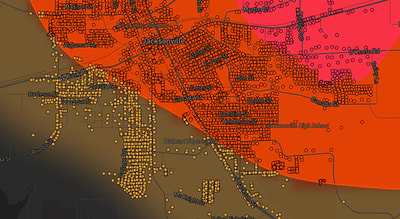
See the Strike Map for the radar-confirmed hail swath.
Storm Details
- Start Date
- Friday, September 18, 2026
- Last Activity
- Friday, September 18, 2026
- Location
- Watkins, CO
- Warning Areas
- 1
- Dual-Pol Radar
- 211
- Spotter Reports
- --
Preview Strike Map
See exactly what you get.
Explore the full Springdale, AR Strike Map free – hail track, address overlay, and CSV download. No account required.
Try the Free Demo →