Bennett, CO Hail Storm – September 2026
September 25, 2026 hail storm near Bennett, CO. Radar-confirmed hail track and contractor lead lists available.
Max Hail
2.06"2.06" est.
confirmed
Zones
1
NWS alerts
Radar
261
dual-pol hits
Spotter
–
field reports
NWS WARNING AREA · Bennett Metro · Sep 25, 2026
Intelligence Platform
StormSnipe Pro
$49/ mo
Cancel anytime · No contracts
›All 50 states
›No zone limits
›No per-event fees
Subscribe to Pro
Pro renews monthly until canceled · Cancel anytime in the billing portal
What's included
Instant delivery
Every storm published within hours of NOAA confirmation.
Interactive Strike Map
Full radar-confirmed hail track on an interactive map.
Address CSV export
Every affected residential address, export-ready.
Smart alerts
Notified when a storm hits your area. Set zones once.
Nationwide coverage
All 50 states. No zone restrictions. No geographic caps.
Live pipeline
NOAA NEXRAD processed and delivered 24/7.
Address data notice
Pro coverage in California, Vermont, and Oregon includes the confirmed hail track and Strike Map only — no address lists. State data-privacy law treats compiled address lists differently in those three states, so we exclude their addresses from extraction and delivery.
NWS WARNING AREA
NWS COC001
Bennett, CO
Dual-Pol Radar
62 addresses in warning area
Alert issued Fri, Sep 25 · 10:59 PM UTC
2.06"
confirmed
2.06"
est. (NWS)
Bennett, CO experienced a late-afternoon hail event on September 25, 2026, with radar-detected hail reaching 2.06 inches. The storm produced a focused hail track through the eastern Denver metro and has since concluded.
What Happened
Late afternoon convection developed across the eastern Denver metro and moved through Bennett on September 25. At 4:59 PM MDT the National Weather Service issued a single alert for the storm after dual-polarization radar detected large hail along the storm’s path. The alert area covered the immediate Bennett vicinity and adjacent rural corridors. The storm remained short-lived and moved eastward out of the local area; no subsequent NWS alerts were issued for the same cell.
Radar returned a coherent hail track through the warning area. No spotter-verified reports were included with the NWS alert at issuance. The event is recorded as a single-zone, concluded hail episode with radar-detected signatures supporting the hail size reported in the alert.
Damage Assessment
No spotter-verified damage reports were attached to the NWS alert for Bennett when it was issued. Hail of the reported magnitude is capable of denting vehicle panels, cracking or displacing asphalt shingles, and damaging vinyl siding and skylights where exposure is direct. Agricultural coverings, exposed equipment, and unsecured outdoor furniture in the affected area are at elevated risk.
Property owners in the warning area should inspect vehicles, roofs, and exterior cladding for impact marks and fractures. Photograph any anomalies with a time and location reference. If you locate damage, document both close-up images of impacts and wider shots showing the structure or vehicle in context. Timestamped photos will aid later assessment and any insurance interactions.
What Contractors Should Know
Start with a rapid visual triage of the affected neighborhoods in Bennett. Prioritize inspections on south- and west-facing roof slopes and on metal roofs where denting is most visible. Use ladders and walkboards safely. For roofing teams, look for bruised or split asphalt shingles, granule loss concentrated on windward sides, and cracked flashing around roof penetrations.
For restoration contractors handling claims, gather geotagged photos and a simple damage log noting street addresses, visible damage type, and approximate exposure (e.g., driveway, rooftop, vehicle lot). Tarping or temporary protections should follow local building codes. Coordinate with property owners on insurance notifications before performing irreversible repairs. Keep crews staged outside the NWS alert area until initial field verification is complete.
See the Strike Map for the radar-confirmed hail swath and the paid damage zone for Bennett.
Storm Details
- Start Date
- Friday, September 25, 2026
- Last Activity
- Friday, September 25, 2026
- Location
- Bennett, CO
- Warning Areas
- 1
- Dual-Pol Radar
- 261
- Spotter Reports
- --
Preview Strike Map
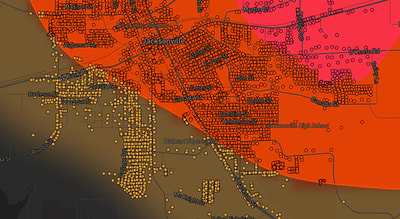
See exactly what you get.
Explore the full Springdale, AR Strike Map free – hail track, address overlay, and CSV download. No account required.
Try the Free Demo →